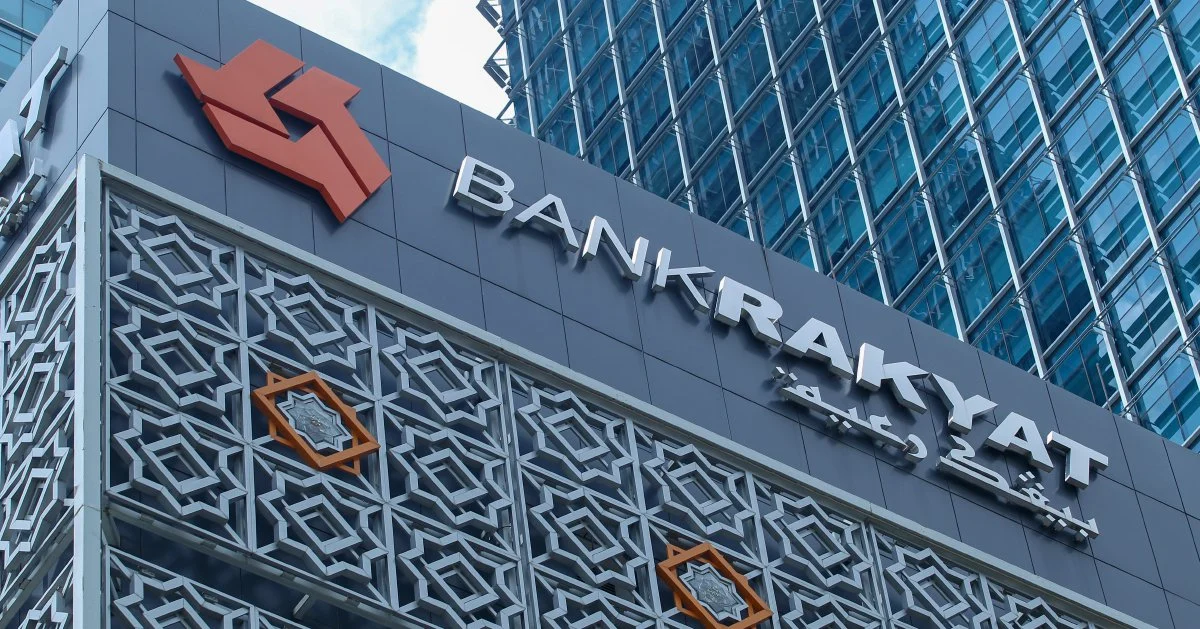
Bank Rakyat has raised RM300 million through a sukuk offering, drawing on its established RM5 billion subordinated Murabahah facility to fortify its capital framework and position itself for sustainable development. The Islamic financing instrument represents an important step in the cooperative bank's ongoing efforts to maintain regulatory compliance while pursuing growth objectives across Malaysia's financial landscape.
The subordinated sukuk Murabahah structure deployed by Bank Rakyat operates as a cost-effective capital-raising mechanism within Islamic banking conventions. Unlike conventional subordinated debt instruments, Murabahah sukuk adhere to Shariah principles by eliminating interest-based mechanisms, instead embedding returns through asset-backed profit-sharing arrangements. This approach aligns the fundraising process with Islamic ethical standards while delivering comparable yield returns to investors seeking Shariah-compliant investment vehicles in an increasingly competitive fixed-income market.
Capital adequacy stands at the forefront of regulatory priorities for financial institutions across the Association of Southeast Asian Nations region, and Bank Rakyat's proactive approach to strengthening its balance sheet reflects both prudential requirements and strategic foresight. The current issuance demonstrates management's recognition that maintaining robust capital reserves above minimum regulatory thresholds provides flexibility to navigate economic uncertainties and capitalise on emerging opportunities in digital banking, retail lending, and microfinance segments where cooperative banks maintain competitive advantages.
Bank Rakyat's reliance on the sukuk market underscores broader trends within Malaysian Islamic finance, where banks and corporations have increasingly favoured Shariah-compliant instruments for capital-raising activities. The RM5 billion subordinated sukuk Murabahah programme framework itself illustrates the scale of Bank Rakyat's long-term financing ambitions, suggesting the institution anticipates deploying multiple tranches over coming years as business conditions and market opportunities materialise. The RM300 million inaugural or interim offering therefore represents a measured approach to accessing available liquidity.
For Malaysian cooperative banking, capital augmentation through sukuk issuances carries particular significance given the sector's role in serving small and medium-sized enterprises, agricultural cooperatives, and underserved communities where traditional banking relationships remain limited. By securing additional capital buffers, Bank Rakyat enhances its capacity to extend credit facilities to borrowers who might otherwise face elevated financing costs or restricted access within conventional banking channels. This direct link between capital strengthening and downstream lending capacity carries implications for Malaysia's broader economic resilience and inclusive growth agenda.
The timing of Bank Rakyat's sukuk placement reflects favourable conditions within Asian Islamic bond markets, where institutional and retail demand from Malaysia, Gulf Cooperation Council economies, and across Southeast Asia has sustained relatively healthy pricing environments. Sukuk issuances have proliferated as both established and emerging issuers recognise that Islamic financing tools offer diversified funding sources beyond traditional banking relationships and allow access to geographically dispersed investor bases with religious and ethical investment mandates. Bank Rakyat's successful execution of its RM300 million tranche positions the cooperative bank competitively alongside larger systemic lenders.
Investors evaluating Bank Rakyat's sukuk offering would typically assess the institution's asset quality, profitability trajectory, and market positioning relative to competing financial service providers. Cooperative banks in Malaysia occupy a distinct niche between full-service commercial entities and microfinance specialists, and Bank Rakyat's differentiated model emphasises member-centric operations and community engagement. These characteristics, when combined with regulatory oversight and prudential standards enforced by Bank Negara Malaysia, potentially appeal to conservative sukuk investors prioritising stability and transparent governance frameworks.
The subordinated nature of this sukuk instrument means that investors absorb losses ahead of senior creditors and depositors, reflecting higher-risk positioning within the capital structure hierarchy. Consequently, such instruments typically command higher yield premiums than senior unsecured alternatives, compensating investors for enhanced credit risk while allowing issuers like Bank Rakyat to achieve meaningful capital strengthening at manageable funding costs. This structural trade-off between risk and return has historically attracted institutional investors managing dedicated Islamic portfolio allocations and seeking yield enhancement opportunities.
Regional implications extend beyond Bank Rakyat itself, as the cooperative banking sector across Southeast Asia increasingly adopts Islamic financing methodologies and taps sukuk markets for capital needs. Malaysia's developed Islamic finance infrastructure, including Shariah-compliant rating agencies, clearance and settlement systems, and a mature investor base, positions the country as a regional sukuk issuance hub. Bank Rakyat's transaction contributes to deepening this ecosystem while signalling confidence in Malaysia's Islamic financial markets to institutional participants across Asia and beyond.
Looking ahead, Bank Rakyat's RM5 billion subordinated sukuk Murabahah programme framework suggests the cooperative bank may conduct further issuances contingent upon capital requirements, market receptivity, and business expansion plans. The inaugural RM300 million tranche establishes benchmark pricing and investor recognition that could facilitate subsequent offerings at comparable or improved terms. This incremental capital-raising approach allows management to scale fundraising activities in response to emerging opportunities while maintaining flexibility regarding timing and quantum of individual placements.
For stakeholders monitoring Malaysian financial system developments, Bank Rakyat's sukuk issuance exemplifies how cooperative banking institutions are modernising their capital management practices and internationalising their funding sources. By tapping Islamic bond markets alongside traditional banking relationships, Bank Rakyat diversifies its funding profile while simultaneously advancing its competitive positioning and operational resilience. This evolution reflects the sector's maturation and growing recognition that Islamic financing mechanisms offer legitimate, effective, and strategically advantageous alternatives to conventional capital-raising approaches.

