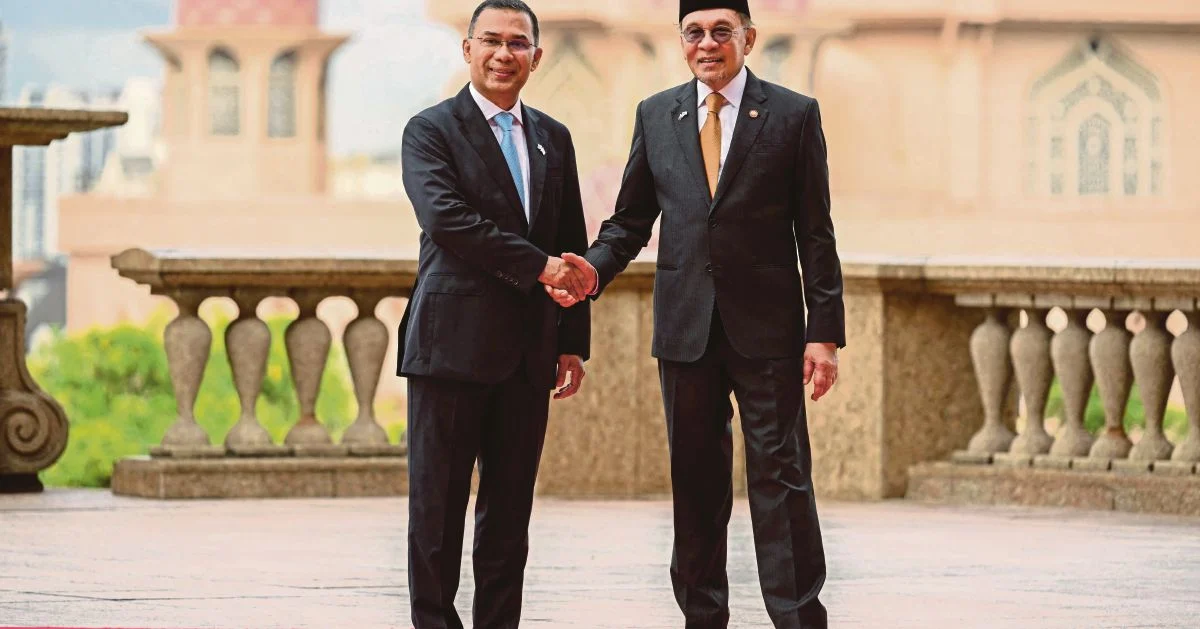
Bangladesh Prime Minister Tarique Rahman wrapped up his maiden state visit to Malaysia on Monday with a firm commitment to expand bilateral cooperation across diverse sectors alongside his Malaysian counterpart Datuk Seri Anwar Ibrahim. The visit marks an important diplomatic milestone for the newly installed Bangladeshi leader, signalling his administration's intent to prioritise regional relationships as it consolidates governance at home.
Rahman's assurances regarding closer collaboration come at a particularly significant juncture for Bangladesh. The South Asian nation has undergone considerable political transformation in recent months, with Rahman assuming office following developments that reshaped the country's political landscape. His willingness to commit resources and political capital to strengthening ties with Malaysia underscores the importance both capitals place on deepening their relationship beyond conventional diplomatic courtesies.
The concept of a multifaceted partnership encompasses several substantive dimensions. Trade and commerce represent foundational pillars, with Malaysian businesses maintaining considerable interests across Bangladesh's manufacturing, textiles, and energy sectors. Enhanced market access and investment promotion agreements could benefit both economies, particularly as Bangladesh seeks to diversify its economic partnerships beyond traditional sources. Malaysian expertise in sectors ranging from halal certification to Islamic finance holds particular relevance for Bangladesh's development ambitions.
Security cooperation and regional stability form another critical element of bilateral engagement. Both nations share maritime interests in the Bay of Bengal and Indian Ocean, where piracy, trafficking, and transnational crime remain persistent concerns. Intelligence sharing, naval coordination, and joint exercises strengthen capacity for addressing these transnational challenges. Bangladesh's strategic location also matters considerably to Malaysia's broader regional security calculations, particularly concerning maritime trade routes and regional balance.
Cultural and people-to-people connections provide essential foundations for sustained partnership. Educational exchanges, with Malaysian universities hosting growing numbers of Bangladeshi students, foster intellectual links and create alumni networks that sustain long-term diplomatic relationships. Religious ties, given both nations' Muslim-majority populations, enable cooperation on matters ranging from Islamic education to interfaith dialogue initiatives. Labour mobility, though sometimes contentious, remains economically significant, with Bangladeshi workers contributing substantially to Malaysia's construction, manufacturing, and service sectors.
Rahman's emphasis on working closely with Anwar Ibrahim personally underscores the significance of leadership engagement in contemporary diplomacy. Prime ministerial-level attention signals that partnership matters extend beyond bureaucratic routine into the realm of high-priority national interests. Regular high-level visits and consultations establish channels for resolving disputes expeditiously and identifying emerging opportunities before they attract wider regional attention.
For Malaysian readers and policymakers, the significance of Bangladesh's commitment merits careful attention. Bangladesh's 170 million population makes it a substantial market for Malaysian goods and services, while its position as a manufacturing hub offers investment and sourcing opportunities for Malaysian enterprises. The country's development trajectory will increasingly influence regional economic dynamics and geopolitical configurations across South and Southeast Asia.
The timing of Rahman's visit reflects broader shifts in Asian power dynamics. As Bangladesh stabilises politically and accelerates economic reforms, its role as a bridge between South Asia and Southeast Asia becomes more pronounced. Malaysia, positioned at the intersection of Indian Ocean and Pacific regions, benefits from deepened engagement with Bangladesh in promoting regional cooperation frameworks and addressing challenges requiring multinational responses.
Energy cooperation deserves particular emphasis. Both nations confront substantial energy security challenges, with Bangladesh developing natural gas resources and pursuing renewable energy transitions. Malaysian companies possess relevant expertise in offshore drilling, liquefied natural gas operations, and clean energy development. Partnerships in these sectors could prove mutually beneficial as both nations navigate global energy transitions and climate imperatives.
The infrastructure dimension also warrants attention. Malaysian companies have successfully undertaken substantial projects across Southeast Asia, bringing technical expertise and project management capabilities. Bangladesh's ongoing infrastructure modernisation, from port development to railway upgrades, presents opportunities for collaboration that extends beyond simple commercial transactions into capacity-building and institutional strengthening.
Regional multilateral forums offer additional platforms for deepening Bangladesh-Malaysia collaboration. Within ASEAN dialogue partnerships, the South Asian Association for Regional Cooperation frameworks, and Islamic Conference mechanisms, both nations can coordinate on shared priorities ranging from sustainable development to climate action. Coordinated advocacy amplifies their influence on matters affecting regional stability and prosperity.
Rahman's commitment carries implications extending beyond bilateral relations. As Bangladesh consolidates its democratic institutions and pursues development objectives, partnerships with established regional economies like Malaysia provide crucial stabilising influences and economic anchors. Malaysian investment and expertise transfer contribute to Bangladesh's capacity-building objectives and institutional development.
Moving forward, the substance of this partnership will be measured through concrete follow-ups rather than rhetorical pronouncements. Trade agreements, investment flows, educational initiatives, and security cooperation will determine whether the goodwill generated during this state visit translates into tangible improvements for citizens of both nations. The enthusiasm demonstrated by both leaders during Rahman's visit provides foundations upon which substantive engagement can build over coming years.

