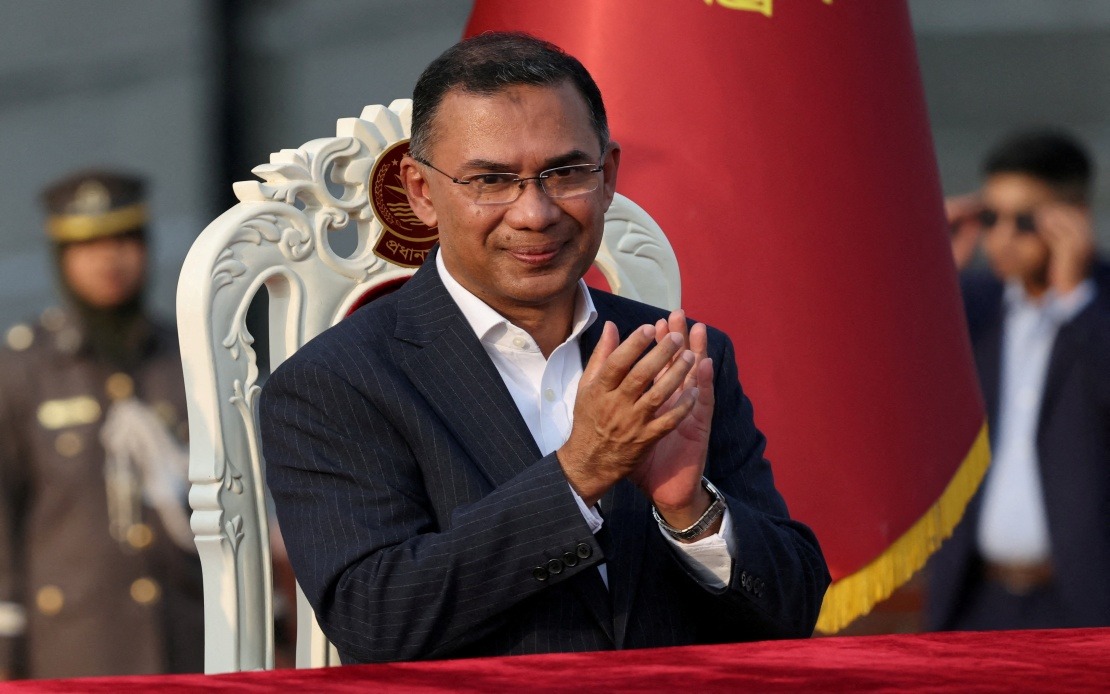
Bangladesh Prime Minister Tarique Rahman will arrive in Malaysia on June 22 for what amounts to a significant diplomatic moment—his maiden bilateral official journey since taking office just four months earlier in February 2026. The visit, conducted at the invitation of Prime Minister Datuk Seri Anwar Ibrahim, signals the priority both nations place on their relationship and reflects the strategic importance of Malaysia within Bangladesh's emerging foreign policy framework during Rahman's early tenure.
The visit carries particular weight given its timing and symbolism. When a newly installed leader chooses a neighbouring country for their first bilateral overseas mission, it typically underscores shared interests and mutual confidence. By selecting Malaysia ahead of other potential destinations, Rahman has made a deliberate statement about which regional partnership his administration values most. This selection reflects not merely protocol but strategic calculation about where Bangladesh sees its most promising opportunities for cooperation in the immediate term.
According to the Malaysian Foreign Ministry, the schedule includes a formal welcoming ceremony at the Perdana Putra Complex followed by substantive bilateral discussions between the two prime ministers. These conversations will encompass a comprehensive review of existing bilateral achievements and initiatives, with particular attention to identifying new avenues for deepened engagement. Rather than focusing solely on diplomatic pleasantries, the agenda reflects the practical concerns driving both nations' economic and security policies.
The substantive cooperation framework being discussed touches multiple critical sectors. Trade and investment, traditionally the backbone of Malaysia-Bangladesh relations, will feature prominently, but the agenda extends beyond commerce. Discussions will address semiconductor manufacturing, an increasingly vital industry across Southeast Asia as regional economies position themselves within global supply chains reshuffled by geopolitical tensions. Energy cooperation, agriculture, and educational exchange complete a basket of shared interests reflecting both nations' development priorities and complementary strengths.
The formal documents being exchanged during the visit carry concrete implications. A memorandum of understanding on cultural cooperation will institutionalise people-to-people contacts and soft power initiatives. Simultaneously, two exchanges of notes addressing counter-terrorism research and investment promotion signal security and economic cooperation at a deeper institutional level. These agreements move beyond symbolic gestures to create frameworks for sustained, coordinated action on issues that affect citizens of both nations directly.
The bilateral trade relationship provides the economic foundation for this diplomatic engagement. During 2025, Malaysia-Bangladesh trade reached RM12.18 billion, positioning Bangladesh as Malaysia's 28th largest trading partner globally. Within South Asia, Bangladesh ranks second only to India in importance for Malaysian commerce. Malaysia's exports to Bangladesh totalled RM10.08 billion, with petroleum products dominating the outbound shipment categories. The reverse flow—Bangladesh to Malaysia imports—comprised RM2.10 billion primarily in textiles, apparel, and footwear, reflecting the complementary nature of both economies' production capabilities.
For Malaysian policymakers, Bangladesh represents a significant growth market within a strategically important region. Bangladesh's vast population and expanding middle class present opportunities for Malaysian exporters and investors seeking to diversify beyond mature markets. The textile and apparel sectors in Bangladesh have long supplied Malaysian retailers and manufacturers seeking cost-effective production sources. Conversely, Malaysia's petroleum products, refined fuels, and industrial expertise serve Bangladesh's developing infrastructure and energy needs. This economic interdependency provides the ballast for political cooperation.
Rahman's delegation composition reflects the governmental breadth of this visit. Accompanying him are his spouse Dr Zubaida Rahman, Foreign Minister Dr Khalilur Rahman, and other senior officials, indicating that multiple ministries and policy domains will participate in the discussions. This is not a ceremonial visit by a figurehead but rather a comprehensive engagement involving the full machinery of Bangladesh's government seeking to establish working relationships with Malaysian counterparts across numerous portfolios.
Anwar's hosting of an official luncheon honours the visiting leader and provides an informal setting for preliminary discussions before formal bilateral meetings. Such hospitality protocols, while seemingly ceremonial, serve important functions in building personal rapport between leaders whose nations will need to navigate complex regional dynamics together. The personal dimension of leadership relations frequently proves decisive in determining whether formal agreements translate into effective cooperation.
The timing of this visit occurs amid significant shifts in South Asian geopolitics. Bangladesh, as a major regional player with substantial population and economic weight, has traditionally maintained balanced relationships across the Indian subcontinent and beyond. Malaysia, as the largest Muslim-majority economy in Southeast Asia, shares cultural and religious affinities with Bangladesh while maintaining distinct geostrategic interests. Their cooperation carries implications extending beyond bilateral exchanges to shape broader regional architecture.
For Malaysian observers, this visit demonstrates the country's continued relevance as a destination for high-level foreign engagement. Anwar's administration has consistently emphasised the importance of strengthening ties with Muslim-majority nations and building South-South cooperation frameworks. Bangladesh, as both a Muslim-majority nation and a South Asian economic powerhouse with growing clout, aligns naturally with these stated priorities. The visit validates Malaysia's positioning within broader networks of strategic partnership beyond traditional ASEAN relationships.
Looking forward, the outcomes of these discussions may extend beyond the immediate agreements being signed. The cultural cooperation memorandum could facilitate educational exchanges, academic research partnerships, and tourism flows. The counter-terrorism cooperation framework positions both nations within a shared security architecture addressing non-traditional threats. The investment promotion initiative signals openness to increased cross-border capital flows in both directions. These building blocks, assembled during Rahman's first bilateral mission, establish momentum that successive meetings can build upon.
The choice of Malaysia as Bangladesh's first official bilateral destination abroad offers a quiet but significant indicator of where Dhaka believes its interests lie regionally. It suggests confidence in Malaysia's stability, appreciation for its economic model, and recognition of complementary interests across multiple domains. For Malaysia, hosting this visit and conducting these discussions affirms the country's standing as a serious player in South Asian engagement and validates the diplomatic infrastructure Anwar's government has invested in developing across the region.

