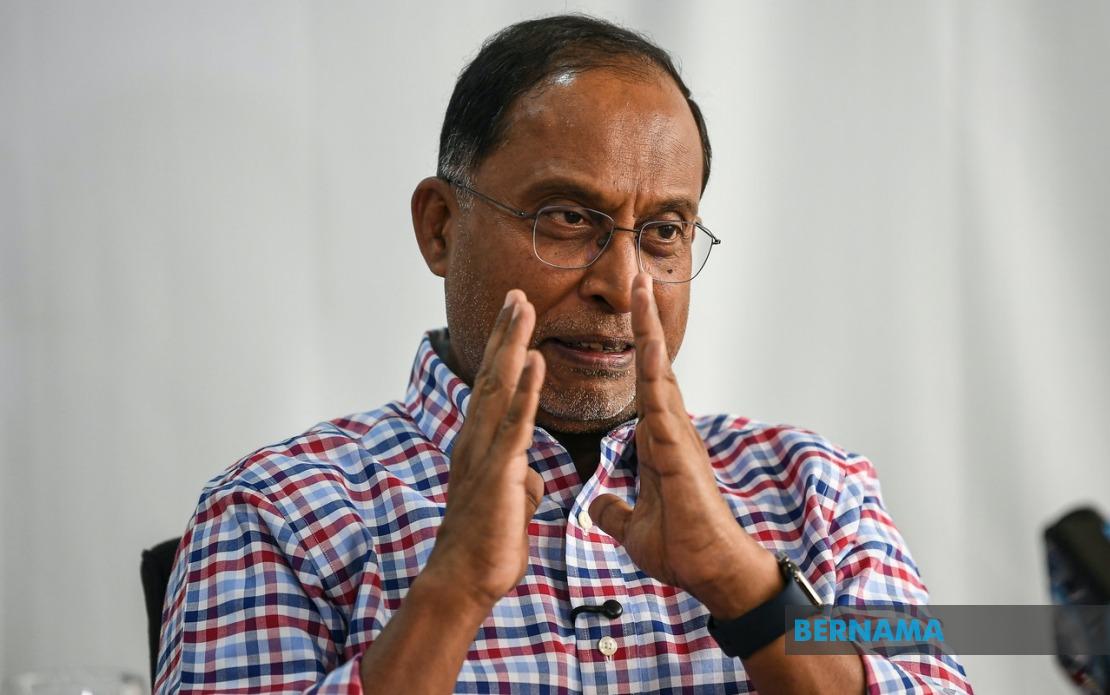
Allegations that between 30,000 and 60,000 students have bypassed normal procedures to gain admission to Malaysian public universities represent a serious challenge to institutional credibility, according to Higher Education Minister Datuk Seri Dr Zambry Abd Kadir. Speaking in Kuala Lumpur on June 17, the minister characterised such claims as baseless accusations that threaten not only the standing of individual universities but the entire architecture of Malaysia's higher education sector. The controversy underscores a fundamental tension in public discourse: the need to maintain open debate about institutional integrity whilst protecting against reputationally damaging assertions made without substantiation.
Zambry emphasised that the integrity of Malaysia's university admission framework rests upon a clearly defined and transparent mechanism anchored in merit-based selection and specified eligibility criteria. The minister's defence of the system reflects broader concerns about maintaining public confidence at a critical juncture when tens of thousands of Malaysian families are navigating the annual university entrance process. For prospective students and parents already navigating what many perceive as a competitive and opaque selection procedure, unsubstantiated allegations of widespread impropriety can amplify existing anxieties about fairness and equal opportunity. This dynamic is particularly acute in Malaysia's context, where university admission has long been a flashpoint for public debate around meritocracy, equity, and social mobility.
The minister framed the allegations as creating a harmful perception that legitimate opportunities for qualified candidates have been diverted for personal financial benefit. This characterisation highlights how such claims, whether proven or not, can reshape public understanding of how institutions function. Even unverified allegations can establish a narrative that institutions are compromised and that the admission process represents a marketplace rather than a meritocratic selection system. Zambry's statement suggests that the government views these accusations not merely as criticisms requiring response but as potentially corrosive to the social contract underlying higher education access in Malaysia.
Central to the minister's position is a call for evidential rigour. Zambry insisted that those making such serious allegations bear responsibility for substantiating their claims through data, concrete facts, and transparent methodology. He rejected what he characterised as unfounded accusations, arguing that freedom of expression does not constitute a licence to make damaging assertions without supporting documentation. This threshold—demanding evidence before accepting allegations as valid—reflects a tension inherent in democratic discourse between protecting institutional reputation and enabling legitimate scrutiny of powerful organisations. The minister's framing suggests Malaysia's government believes the current allegations fall on the side of unsubstantiated criticism rather than evidence-based accountability.
In response to the controversy, several public universities have initiated police reports to facilitate formal investigations. The ministry framed this action not as censorship or suppression of legitimate criticism but as a procedural mechanism to ensure allegations can be properly examined through established legal processes. This move signals that institutions perceive the claims as serious enough to warrant criminal investigation whilst simultaneously defending against what officials view as baseless attacks. The decision to pursue formal investigations rather than simply issue ministerial denials suggests the government recognises the gravity with which such allegations are being received by the public, despite official insistence that the claims lack foundation.
Zambry's statement underscores a distinction between constructive criticism and what the ministry characterises as excessive, groundless allegations. The Higher Education Ministry indicated openness to genuine feedback aimed at systemic improvement, suggesting that the problem lies not with scrutiny itself but with the nature and evidential basis of current claims. This positioning allows the government to appear receptive to legitimate institutional critique whilst defending institutions against what it views as bad-faith attacks. For Malaysian academics, administrators, and observers, this distinction raises important questions about what standards of evidence should apply when evaluating claims of systemic institutional failure and whether demanding empirical proof before acknowledging problems serves accountability or shields institutions from legitimate pressure for reform.
The backdrop to this controversy reflects longstanding debates within Malaysia's education sector about admission processes and their perceived equity. Public universities in Malaysia have historically contended with questions about whether selection mechanisms truly reflect meritocratic principles or instead serve various institutional, political, or bureaucratic interests. These underlying tensions mean that allegations of backdoor admissions, even when officially dismissed as baseless, resonate with existing public scepticism about institutional transparency. The fact that such claims have gained sufficient currency to warrant ministerial response and police investigation suggests they have struck a chord with at least some segments of Malaysian society concerned about fairness in educational access.
For Malaysian families and prospective students, the controversy creates an uncomfortable environment of uncertainty. Even as officials assert that admission systems are transparent and merit-based, the presence of serious allegations—and the defensive institutional response—may reinforce perceptions that the process is less than fully fair. This dynamic illustrates how reputational challenges to institutions can persist even when not definitively proven, shaping public behaviour and confidence independent of official validation. The minister's call for evidence reflects a rational standard but one that may seem cold comfort to families already anxious about navigating university admissions in an environment marked by competing claims about systemic integrity.
Zambry's statement also touches on broader principles of responsibility in public discourse. The minister stressed that individuals making serious allegations must accept accountability for their claims, particularly when those allegations prove unsubstantiated. This appeal to standards of responsible speech reflects recognition that institutional reputations can be harmed by allegations that gain traction without rigorous evidentiary support. At the same time, this position raises questions about power asymmetries in debates about institutional accountability. Critics might argue that placing the burden of proof entirely on those raising concerns—rather than on institutions to affirmatively demonstrate their transparency—may discourage legitimate scrutiny of powerful organisations.
Looking forward, the ministry indicated commitment to safeguarding the integrity of Malaysia's higher education institutions and maintaining public confidence in the system. Yet this commitment is complicated by the very existence of allegations serious enough to warrant formal investigation and ministerial response. The path toward restored confidence likely requires not merely rejecting unproven claims but demonstrating through enhanced transparency and accountability measures that universities operate according to their stated meritocratic principles. Whether current institutional responses—police investigations and ministerial statements—will be sufficient to address underlying public concerns about admission fairness remains uncertain, particularly if investigations fail to produce conclusive findings or if the public perceives the process as insufficient scrutiny.

