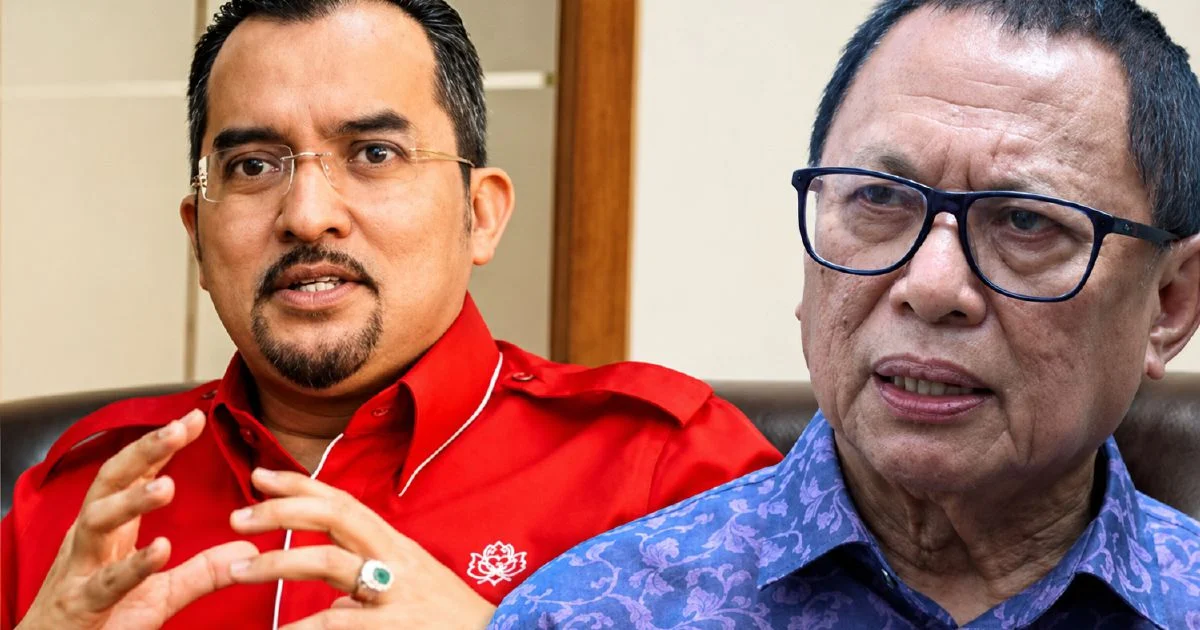
Umno's secretary-general Datuk Dr Asyraf Wajdi Dusuki has mounted a forceful defence of the party's leadership following the departure of Datuk Dr Mohd Puad Zarkashi, striking back at what he characterises as unfounded assertions regarding internal party affairs and institutional matters. The clash between the two senior figures underscores growing tensions within Malaysia's largest Malay-Muslim political organisation, signalling deeper fractures that extend beyond routine leadership disputes.
Puad Zarkashi's exit from Umno marks a significant defection that carries symbolic weight within the party's hierarchy. His subsequent comments about the reasons for his departure have provoked an immediate and forceful response from Asyraf Wajdi, suggesting that the resignation stems from substantive disagreements rather than mere administrative reshuffling. The involvement of palace-related claims adds another dimension to what might otherwise be dismissed as routine intra-party friction, elevating the dispute to matters touching on constitutional and institutional sensitivities.
The secretary-general's counter-attack indicates that Umno's leadership views Puad Zarkashi's allegations as potentially damaging to the party's reputation and internal cohesion. By responding publicly and directly, Asyraf Wajdi has chosen to engage rather than dismiss the departing member, suggesting that the matters at stake warrant urgent clarification. This approach reflects concerns that allowing such claims to circulate unchallenged could undermine confidence in the party's institutional frameworks and decision-making processes.
For Malaysian observers, this confrontation reveals the precarious internal dynamics of Umno as it navigates post-electoral politics and its role within the broader coalition government. The party has faced mounting pressures from competing factions and leadership ambitions, with successive challenges threatening its traditional position as the dominant force within Malay-Muslim politics. Puad Zarkashi's decision to resign, rather than remain within the party structure to contest issues internally, suggests that he has lost confidence in the party's direction or institutional processes.
The reference to palace matters is particularly sensitive given Malaysia's constitutional arrangements and the revered position of the monarchy within the nation's political system. Any suggestion that palace concerns have influenced party decisions or that the party's leadership has mishandled constitutional matters touches on issues that transcend ordinary party politics. This dimension elevates the dispute beyond a simple factional disagreement and into territory that affects perceptions of institutional integrity and proper governance.
Ashraf Wajdi's forceful response must be understood within the context of his position as secretary-general, the party's chief administrator. His role positions him as custodian of party procedures and institutional memory, making him the natural voice for defending organisational integrity against external criticism. By responding prominently, he signals to party members that the leadership takes such allegations seriously enough to warrant immediate clarification and rebuttal.
The timing of this confrontation carries implications for Umno's broader political positioning. As the party seeks to consolidate support ahead of potential electoral contests and navigate its coalition responsibilities, internal divisions of this magnitude risk damaging its collective standing. Members watching this public dispute may interpret it as evidence of leadership instability or unresolved organisational problems, potentially emboldening rival factions within the party or attractive defections to competing political entities.
For the wider Malaysian political landscape, this spat illustrates how individual resignations within major parties can rapidly escalate into public disputes when former members choose to highlight allegations touching on sensitive institutional matters. The involvement of palace-related claims ensures that this remains more than a routine personnel matter, drawing attention from observers concerned with constitutional propriety and the maintenance of institutional boundaries between political actors and the monarchy.
The public nature of this exchange also raises questions about internal conflict resolution mechanisms within Umno. Historically, the party has managed disputes through private negotiation and back-channel communication, preserving institutional cohesion and dignity. The emergence of this conflict into public discourse suggests either a breakdown in such mechanisms or a deliberate strategic choice by one or both parties to seek public vindication rather than resolution through confidential channels.
Anyway, observers of Malaysian politics will be watching closely to see whether this dispute remains contained within the parties' respective communications strategies or whether additional figures emerge to take sides. The nature of allegations and the prominence of those involved mean this disagreement carries potential consequences beyond the immediate participants, with possible ripple effects across Umno's organisational structure and Malaysia's coalition government dynamics.

