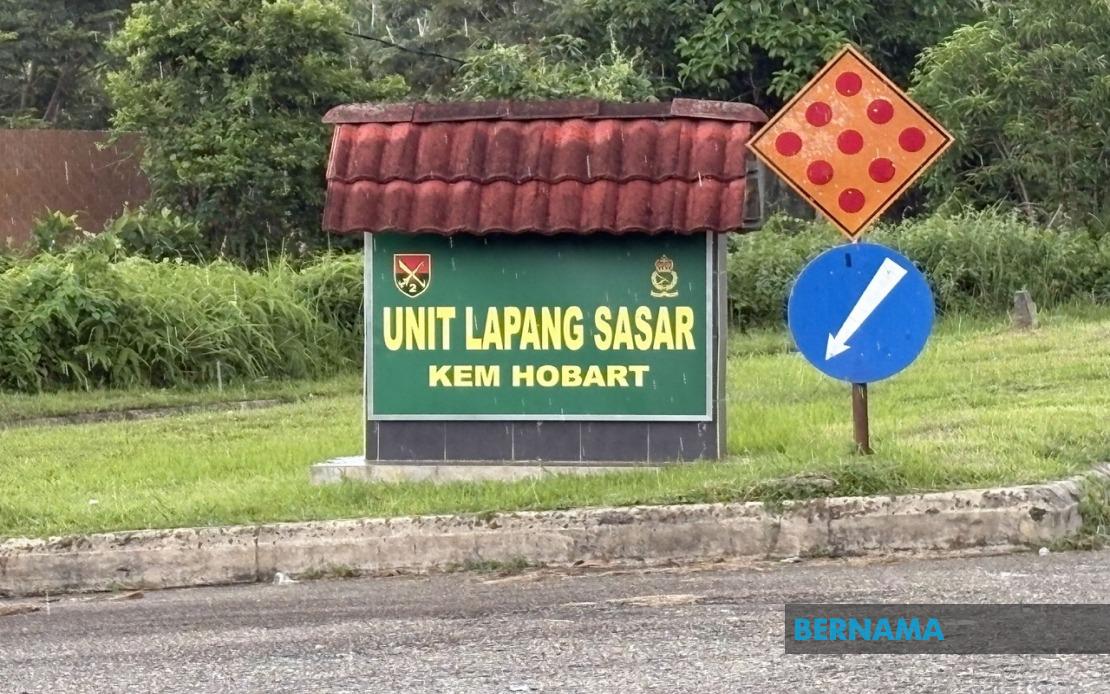
Two Malaysian Army personnel were killed during a grenade-throwing exercise at Hobart Camp in Gurun on June 16, prompting police to launch a comprehensive investigation involving witness interviews and scene examination. The fatalities occurred during a Combat Enhancement Training programme run by the First Squadron, Royal Malaysian Engineers Regiment, with the incident happening at approximately 10.57 am. Both victims sustained critical blast injuries from which they could not recover.
Kuala Muda police chief ACP Hanyan Ramlan confirmed that investigators have classified the case as a sudden death report investigation, a standard procedure for fatal incidents occurring during military training. The police department is coordinating closely with multiple agencies to establish the circumstances surrounding the explosion and determine whether procedural or equipment failures contributed to the tragedy. Hanyan indicated that the investigation will be comprehensive, with particular attention to how the training exercise was conducted and what safety protocols were in place.
The two deceased were identified as Corporal Norazmi Abu Bakar, attached to the Sixth Battalion of the Royal Malay Regiment, and Private Siti Khadijah Sungip from the First Squadron of the Royal Malaysian Engineers Regiment. Both personnel were undergoing intensive heavy weapons training as part of their operational preparation. Their bodies were conveyed to Sultanah Bahiyah Hospital in Alor Setar for post-mortem examinations, which will provide medical evidence to support the police investigation.
According to the police chief, witness statements will form a critical component of the inquiry. Personnel who were present at the training ground during the exercise will be interviewed systematically to reconstruct the sequence of events leading to the explosion. These accounts will help investigators understand whether the incident resulted from user error, equipment malfunction, inadequate supervision, or other factors. The willingness of colleagues to cooperate with authorities could prove decisive in reaching conclusive findings.
The Malaysian Army had previously acknowledged that the incident occurred during routine training operations, indicating that such exercises are conducted regularly as part of soldier development programmes. However, the fatal outcome raises questions about the adequacy of safety measures implemented during live grenade drills, particularly given their inherent hazards. The incident represents a rare but serious failure in what should be controlled military training environments where risk mitigation is paramount.
Military training deaths, while uncommon in Malaysia's armed forces, have occurred periodically across Southeast Asia and internationally, often prompting reviews of safety procedures and equipment standards. The investigation into this particular incident will likely examine whether protocols for grenade-throwing exercises at Hobart Camp align with best practices recommended by military authorities. Any deficiencies identified could trigger changes to how such training is conducted across other Malaysian Army units.
The involvement of both male and female military personnel in this tragedy underscores the increasing integration of women into frontline combat roles within Malaysia's armed forces. The death of Private Siti Khadijah Sungip, serving in the Royal Malaysian Engineers Regiment, reflects the operational demands placed on all personnel regardless of gender. Her loss will likely prompt discussions within military circles about whether gender-specific considerations should factor into training protocols for heavy weapons exercises.
Hospital records indicate that both victims were initially transported to Sultan Abdul Halim Hospital for emergency treatment following the blast. Despite immediate medical intervention, their injuries proved fatal during transit, suggesting the severity of the blast and the traumatic nature of the incident. The rapid response by medical personnel highlights the coordination between military and civilian healthcare systems when emergencies occur at training facilities.
The investigation's findings will hold significance beyond the immediate incident, as they may influence how the Malaysian Army and other Southeast Asian militaries approach training safety standards. If equipment defects or procedural lapses are identified, recommendations could extend to defence procurement practices and inter-service training protocols. The Kuala Muda police department's commitment to thoroughness in the investigation reflects the seriousness with which authorities treat military fatalities, ensuring accountability and preventing similar incidents in future.
For the Malaysian defence establishment, this tragedy represents a sobering reminder that even routine training carries inherent risks despite best efforts to mitigate them. The families affected by this loss, alongside the broader military community, will await the investigation's conclusions. Meanwhile, other training units conducting similar exercises may implement temporary adjustments to safety procedures pending the formal findings, reflecting the precautionary approach typically adopted following such incidents.