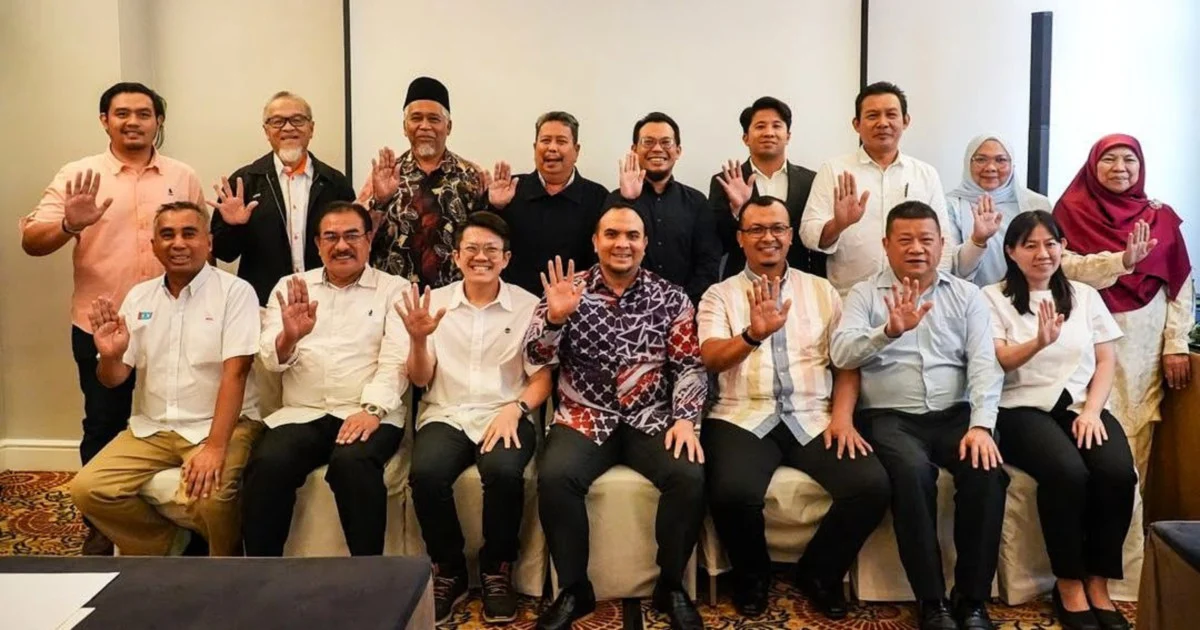
The appointment of Datuk Ahmad Farhan Fauzi as chairman of Pakatan Harapan in Pahang marks a significant development in the coalition's leadership structure, bringing the Prime Minister's trusted aide directly into the state's political command chain. Based in Kuantan, the decision underscores Anwar Ibrahim's intent to strengthen PH's grip on one of Malaysia's more strategically important states, particularly as the coalition prepares for electoral challenges ahead.
Ahmad Farhan's transition from Prime Minister's Office to the provincial leadership tier demonstrates the dual-track approach many governing coalitions adopt when facing internal fractionalisation or electoral headwinds. By deploying a loyalist with direct access to the apex of power, the administration signals both unity and determination to manage state-level operations more directly. This is especially pertinent in Pahang, where PH has faced historical difficulties consolidating voter support despite holding formal control of the state machinery.
The Pahang chapter of Pakatan Harapan operates within a complex political landscape shaped by ethnic demographics, rural-urban divides, and competing factions within component parties. The coalition encompasses PKR, DAP, Amanah, and allied partners, each with their own organisational traditions and factional interests. Ahmad Farhan's elevation suggests that the central leadership believes a new managerial hand is necessary to harmonise these disparate elements and present a unified challenge to Barisan Nasional, which retains considerable grassroots strength in many Pahang constituencies.
Pahang itself remains economically significant as a primary producer of minerals, agricultural goods, and forest products, whilst also hosting major infrastructure projects that carry national implications. The state's political stability therefore has reverberations beyond its borders, affecting investor confidence and the pace of development initiatives. By placing a politically seasoned operative in the chairmanship role, Anwar's administration is effectively prioritising the state's coordination with federal policy objectives and ensuring that local political decisions do not drift out of alignment with national strategy.
The appointment also carries implications for internal party dynamics within the broader coalition. Ahmad Farhan's proximity to the Prime Minister may enhance his ability to broker resources and secure developmental allocations for constituencies under PH management, a critical tool for maintaining electoral morale at grassroots levels. Political secretaries who transition to formal leadership positions often carry implicit authority backed by their previous proximity to the chief executive, allowing them to facilitate inter-party disputes and adjudicate resource allocation with greater perceived legitimacy than purely state-elected officials might exercise.
Anwar Ibrahim has consistently emphasised the importance of meritocratic appointments and competence in governance, public messages that extend to party management decisions. By selecting Ahmad Farhan, the Prime Minister is, in principle, endorsing an individual assessed as capable of navigating Pahang's particular political ecosystem whilst remaining responsive to federal directives. This represents a notable shift from purely collegial or seniority-based succession patterns that characterised earlier coalition arrangements, although it does concentrate decision-making authority further around the Prime Minister's immediate circle.
The Pahang PH chairmanship carries practical responsibilities including overseeing party machinery, coordinating campaign activities, managing disciplinary matters, and serving as the principal liaison between state-level constituencies and federal party leadership. Ahmad Farhan's appointment therefore translates theoretical authority into operational capacity, granting him control over patronage networks, candidate selection processes, and the distribution of party nominations—instruments critical for shaping the electoral field in advance of the next general election cycle.
For Malaysian readers and regional observers, this development reflects broader patterns whereby Southeast Asian governing coalitions increasingly consolidate power around trusted insider networks rather than dispersing decision-making to elected bodies. The trend parallels similar moves in neighbouring democracies, where prime ministerial offices have expanded their direct oversight of party machinery and state-level governance. Whether this approach strengthens coordination or risks creating bottlenecks in political responsiveness remains an open question that Pahang's forthcoming political trajectory may help clarify.
The broader implications extend to how Pakatan Harapan manages its coalition identity across the next election cycle. Strengthening central authority through trusted appointees may provide tactical advantages in messaging and resource allocation, yet it also risks alienating party cadres and supporters who might perceive governance as increasingly insulated from grassroots participation. Ahmad Farhan's effectiveness in the Pahang role will therefore serve as a bellwether for whether this centralising approach resonates with voters or instead triggers backlash against perceived elitism within the coalition structure.

