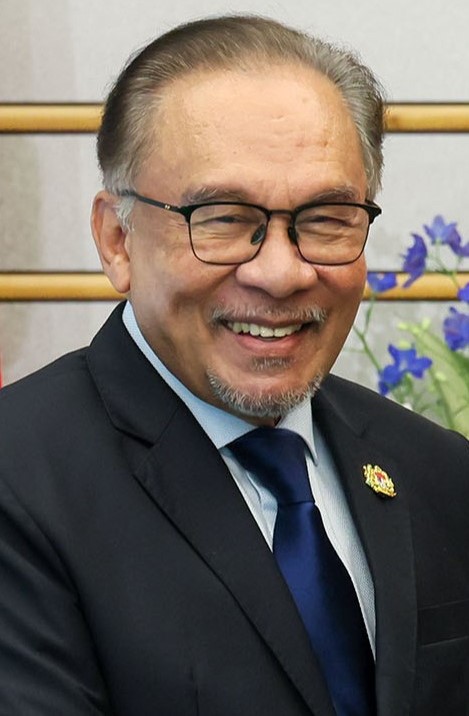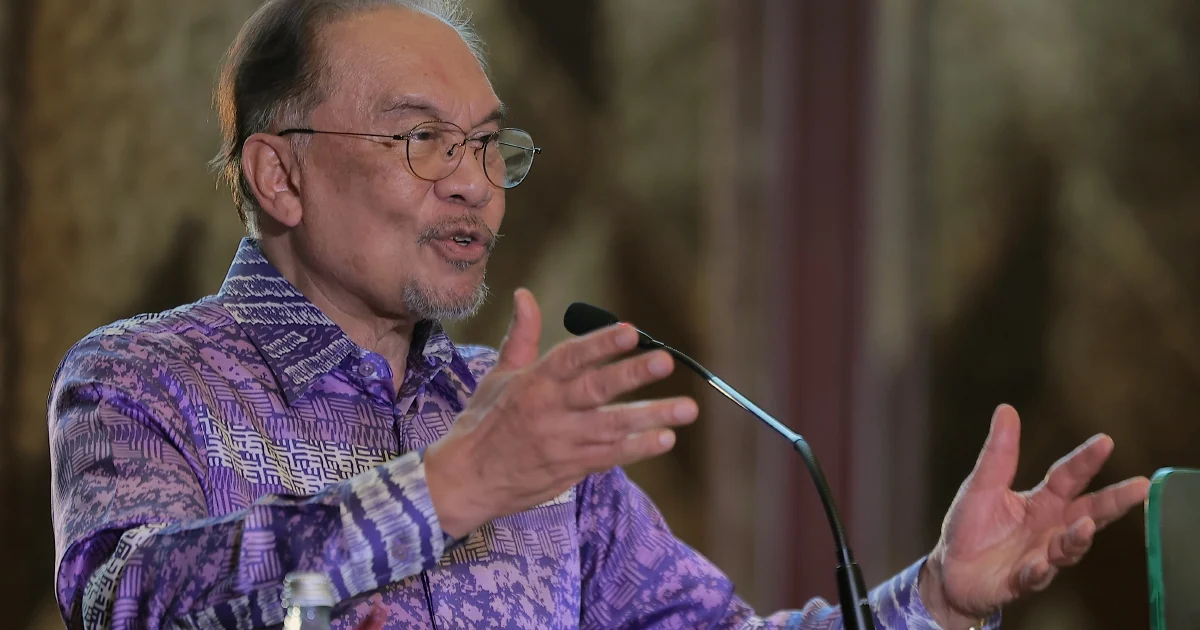
Prime Minister Datuk Seri Anwar Ibrahim is set to undertake a two-day working visit to Kazan beginning June 17, during which he will hold discussions with Rais of the Republic of Tatarstan Rustam Minnikhanov. The visit, as conveyed by Malaysia's diplomatic envoy, signals a deliberate effort to elevate bilateral relations between Kuala Lumpur and Moscow at both the bilateral and regional multilateral levels.
The timing of the Prime Minister's engagement with the Tatarstan leadership carries particular significance within the broader context of Malaysia's foreign policy orientation. Rather than engaging exclusively with Moscow's central authorities, the visit to the Volga region provides an opportunity for Malaysia to develop substantive ties with one of Russia's most economically dynamic republics. Tatarstan, which accounts for a substantial portion of Russia's industrial and technological output, represents a strategic partner for Malaysian interests seeking diversification beyond traditional bilateral channels.
From Malaysia's perspective, deepening engagement with Russia and its constituent regions addresses both immediate economic considerations and longer-term geopolitical positioning. The visit comes at a juncture when regional players are reassessing their relationships with major powers amid shifting global alignments. For Kuala Lumpur, cultivating ties with Tatarstan—a republic with significant involvement in aerospace, petrochemicals, and information technology—opens pathways for Malaysian enterprises and research institutions to establish collaborative frameworks.
The diplomatic initiative also reflects Malaysia's commitment to maintaining balanced international relations. By engaging with Russia through multiple channels and at various governance levels, Malaysia demonstrates its policy of non-alignment while simultaneously strengthening economic and security partnerships that serve national interests. This approach aligns with Malaysia's historical preference for pragmatic diplomacy rather than alignment with any particular geopolitical bloc.
Beyond bilateral considerations, the Kazan visit carries implications for Asean's broader engagement strategy with Russia. Southeast Asian nations have long sought to maintain productive relations with Moscow despite regional powers' varying geopolitical orientations. Malaysia, as a significant Asean member with diplomatic credibility and experience in cross-cultural engagement, can advance regional positioning through its direct interactions with Russian leadership. The discussions with Minnikhanov provide a platform for articulating Asean perspectives on regional security, economic cooperation, and multilateral frameworks that include Russian participation.
Tatarstan itself occupies a unique position within the Russian federation as a republic with considerable autonomy in its foreign economic policy. The region's leadership has demonstrated interest in developing international partnerships independent of overarching federal constraints, making it an attractive counterpart for Malaysian diplomatic engagement. Minnikhanov, as the long-serving Rais, has cultivated relationships with multiple Asian nations and understands the commercial and strategic value of Southeast Asian partnerships.
Economically, the visit creates opportunities for identifying collaborative ventures across multiple sectors. Malaysia's expertise in palm oil production, petrochemical refining, and financial services can complement Tatarstan's strengths in aerospace manufacturing, oil and gas extraction, and technological development. Joint ventures and technology transfer arrangements between Malaysian and Tatar enterprises, facilitated through high-level political engagement, could generate mutual economic benefits and create employment opportunities in both regions.
The cultural and educational dimensions of Malaysia-Russia relations also merit consideration within the context of this visit. Malaysia hosts a significant community of students from Russia and former Soviet states, while Russian scientific institutions have engaged with Malaysian counterparts on research initiatives. Official visits at the Prime Ministerial level provide impetus for expanding these people-to-people connections through scholarships, academic partnerships, and cultural exchanges that build long-term understanding between societies.
From a security standpoint, Malaysia and Russia share interests in maritime stability, counterterrorism cooperation, and intelligence sharing on transnational threats. While these discussions typically occur through specialized channels, Prime Ministerial visits signal political commitment to these security partnerships and provide opportunities for addressing emerging challenges. The Strait of Malacca's strategic importance to global shipping, including Russian vessels, creates natural convergence points for maritime security collaboration.
The visit also positions Malaysia favorably within regional diplomatic hierarchies. By maintaining substantive engagement with major powers while carefully calibrating these relationships, Kuala Lumpur demonstrates the diplomatic sophistication expected of a regional middle power. This stance enhances Malaysia's capacity to mediate regional disputes and amplifies its voice in international forums where consensus-building across diverse interests proves essential.
Moreover, the Kazan visit should be understood within the context of Russia's own pivot toward Asia as Western relations remain strained. Moscow actively seeks partnerships with Southeast Asian nations to counterbalance Western influence and develop alternative economic corridors. Malaysia's willingness to engage meaningfully with Russian regions demonstrates receptiveness to this overture while allowing Malaysia to negotiate from a position emphasizing mutual benefit rather than alignment.
Looking forward, the substantive outcomes from the Anwar-Minnikhanov meeting will likely include agreements on specific cooperation frameworks, feasibility studies for joint projects, and commitments to enhanced trade and investment flows. The working visit format suggests detailed technical discussions rather than ceremonial engagement, indicating serious intent to translate diplomatic rhetoric into concrete institutional arrangements and commercial partnerships.
Ultimately, the Prime Minister's Kazan visit exemplifies contemporary Malaysian diplomacy: pragmatic engagement with major powers, careful attention to regional balance, and pursuit of tangible economic benefits without sacrificing principled positions on international governance. As Malaysia navigates an increasingly complex geopolitical landscape, such diplomatic initiatives provide essential tools for advancing national interests while contributing meaningfully to regional stability and cooperation.