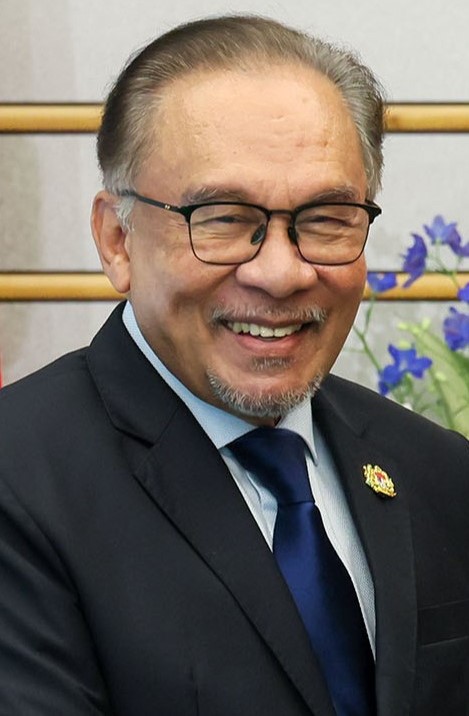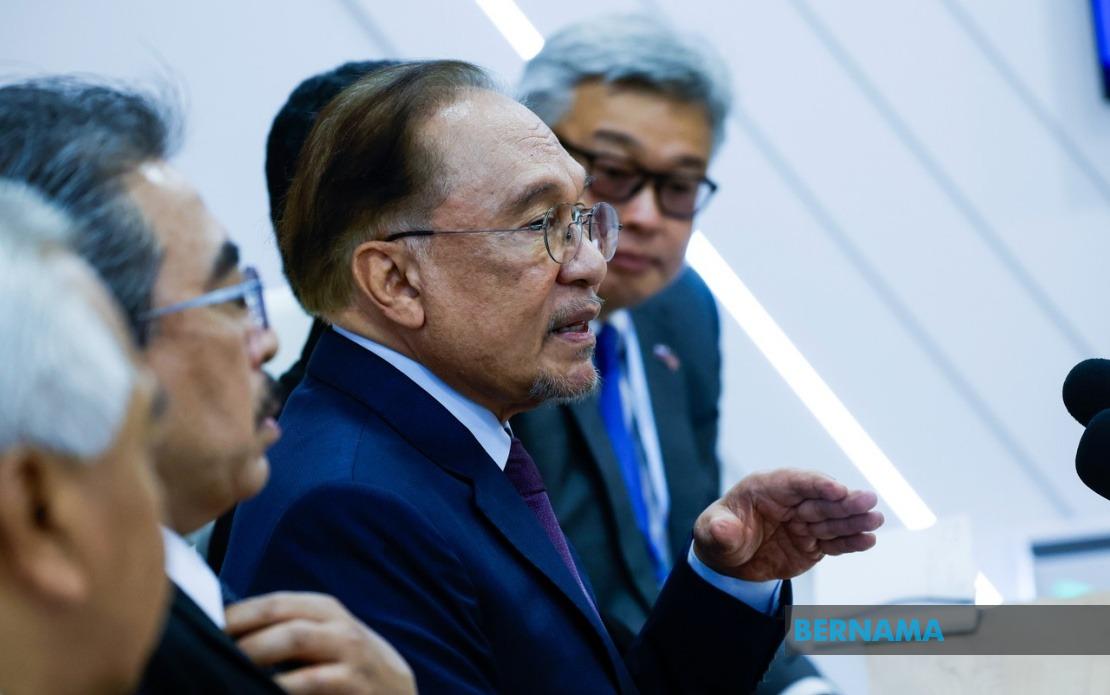
Prime Minister Datuk Seri Anwar Ibrahim's attendance at the 35th ASEAN-Russia Commemorative Summit in Kazan has yielded tangible results for Malaysia's energy security strategy, with both countries agreeing to deepen cooperation across multiple sectors including energy, trade, investment, tourism and technology. The visit represents a calculated shift in Malaysia's international economic engagement, reflecting growing recognition that the country must pursue more assertive partnerships to secure critical resources in an increasingly uncertain global environment.
The most significant outcome centres on Russia's commitment to supply Malaysia with oil and gas under a long-term framework rather than the shorter-term annual or seasonal arrangements that have traditionally characterised such relationships. Anwar explained that this structural shift provides Malaysia with greater stability and predictability in energy procurement, enabling better long-term planning for both the government and private sector. The agreement has moved beyond preliminary discussions, with company representatives already present in Kazan and finalisation imminent once draft terms are reviewed and formally executed by both delegations.
For Malaysia, which faces mounting pressure to diversify its energy sources amid volatile global markets and geopolitical tensions, this arrangement addresses a critical vulnerability. The country's historical dependence on domestically-sourced oil and gas has diminished as production from mature fields declines, necessitating a more strategic approach to international sourcing. By locking in long-term Russian supplies—particularly through Petronas, Malaysia's national petroleum company—the government reduces exposure to spot market price fluctuations and supply disruptions that can destabilise economic planning.
The broader energy cooperation framework encompasses downstream activities, refining, and petrochemicals, areas where Tatarstan's established position as one of Russia's premier oil-producing regions offers significant potential. During bilateral discussions with Rustam Minnikhanov, Rais of the Republic of Tatarstan, Anwar identified these sectors as priority areas for joint venture development and technology transfer. Such arrangements could strengthen Malaysia's refining capacity and value-added processing capabilities, moving the country up the energy value chain beyond simple crude imports.
Beyond energy, the summit formalised the ASEAN-Russia Strategic Programme on Trade and Investment Cooperation 2026-2035, a blueprint intended to accelerate economic integration across the bloc. Current figures illustrate the relationship's modest scale: 2024 ASEAN-Russia trade reached only US$18.1 billion, whilst Russian foreign direct investment in ASEAN totalled merely US$92.97 million. For Malaysia specifically, Russia ranked as the ninth-largest European trading partner in 2025 with bilateral trade valued at RM8.72 billion, representing significant untapped potential given both economies' complementary strengths.
Malaysia's export profile to Russia centres on electrical and electronic products, machinery, equipment, and processed foods, sectors where Southeast Asian manufacturers have established competitive advantages. Conversely, Russian imports to Malaysia consist primarily of petroleum products, minerals, and chemicals, demonstrating the natural resource orientation of the relationship. Anwar's emphasis on bolder economic engagement suggests the government views this imbalance as an opportunity rather than a constraint, positioning Malaysia as a gateway for Russian goods entering ASEAN markets whilst securing preferential access to Russian energy resources.
The prime minister articulated a notably more assertive tone regarding international economic strategy, cautioning against excessive caution in pursuing emerging partnerships. This rhetorical shift carries implications for Malaysia's broader foreign policy posture, suggesting movement away from exclusive reliance on Western trading partners towards a more multipolar economic strategy. The timing proves significant given persistent global supply chain disruptions, deglobalisation pressures, and sanctions regimes that make diversification of critical supply sources increasingly imperative for developing economies.
Practical measures to facilitate closer Malaysia-Russia engagement include expedited implementation of visa-free travel arrangements and establishment of direct flight routes, initiatives designed to stimulate tourism and strengthen interpersonal connections. These softer integration mechanisms complement hard infrastructure investments in energy and trade, recognizing that sustainable economic relationships require supporting institutional architecture and people-to-people engagement. Direct aviation links, in particular, would reduce transaction costs for business travellers and investors whilst positioning Malaysia as a hub for Russian commercial interests in Southeast Asia.
The visit's scope extended to exploration of cooperation in cybersecurity, agriculture, digital technology, scientific research, and higher education, reflecting recognition that modern energy security relationships operate within broader strategic partnerships. This multisectoral approach reduces vulnerability to geopolitical disruption in any single domain whilst creating multiple reinforcing ties that strengthen bilateral relationships. Investment in education and talent development, for instance, builds long-term human capital connections that sustain cooperation regardless of short-term political shifts.
Anwar's optimism regarding potential United States-Iran peace negotiations warrants attention, as resolution of Middle Eastern tensions would reduce pressure on energy markets and potentially alter global supply dynamics. However, Malaysia's strategy appears premised on assumptions of continued volatility and competition for resources, positioning long-term Russian agreements as insurance against such uncertainties. This hedging approach reflects pragmatic assessment of geopolitical risks rather than confidence in swift resolution of regional conflicts.
The Kazan visit's conclusion marked the beginning of Anwar's broader Central Asian tour, with Turkmenistan serving as the next destination. This deliberate itinerary underscores Malaysia's systematic approach to strengthening energy relationships across the region, recognising that Turkmenistan possesses substantial natural gas reserves and offers complementary sourcing opportunities alongside Russian supplies. The sequencing of visits demonstrates coordinated diplomatic strategy aimed at constructing a diversified energy supply portfolio rather than pursuing ad hoc bilateral arrangements.
For Malaysian stakeholders, the implications extend beyond immediate energy procurement benefits. Successful negotiation of long-term Russian supply agreements validates Anwar's broader push for more assertive international economic engagement, potentially emboldening similar initiatives with other strategic partners. Investment, Trade and Industry Minister Datuk Seri Johari Abdul Ghani and Economy Minister Akmal Nasrullah Mohd Nasir's presence at the summit signaled whole-of-government commitment to executing these agreements and translating high-level political commitments into operational reality.
Looking forward, the success of this energy cooperation venture depends on swift finalisation of contractual frameworks and effective implementation mechanisms. Markets will scrutinise whether preliminary agreements translate into sustained supply flows, favourable pricing structures, and development of complementary downstream sectors. For Malaysia, the venture represents calculated diversification strategy responding to genuine vulnerabilities in energy security whilst expanding a potentially limited relationship into broader strategic partnership spanning multiple economic sectors.