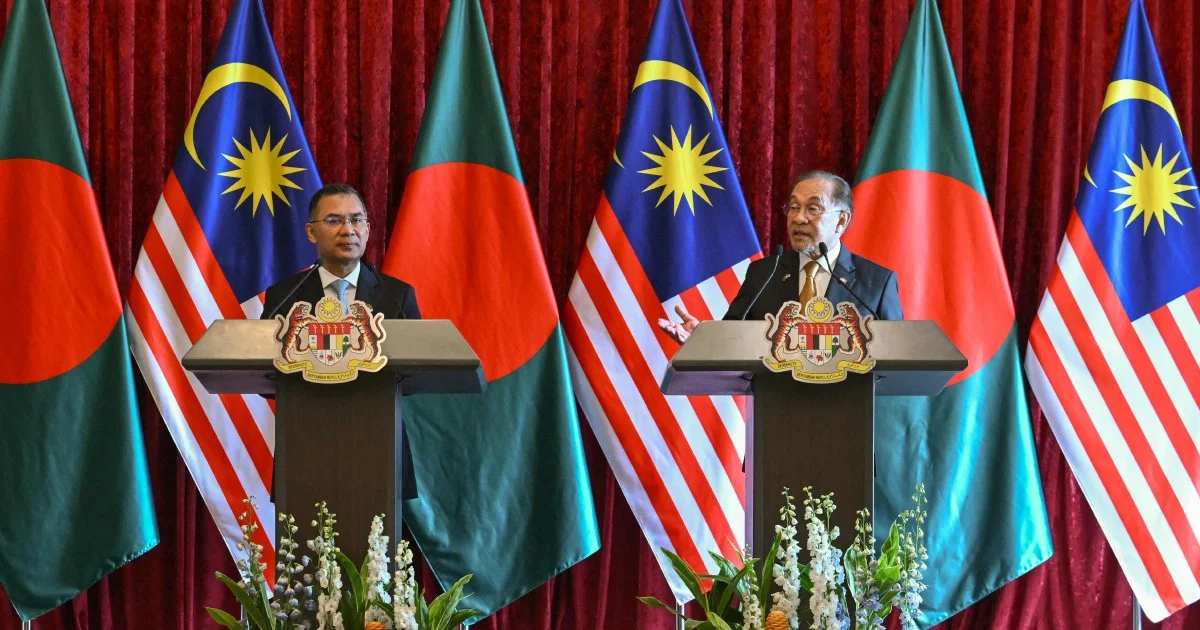
Prime Minister Datuk Seri Anwar Ibrahim has pledged stern action against the exploitation of Bangladeshi migrant workers, underscoring the indispensable role these workers play in sustaining Malaysia's economy. His commitment represents a significant acknowledgement of the vulnerable position many foreign labourers occupy within the country's employment landscape.
Bangladeshi workers form a substantial portion of Malaysia's migrant workforce, particularly in labour-intensive sectors such as construction, manufacturing, and domestic service. Their contributions to economic output are undeniable, yet countless reports have documented systemic abuses ranging from wage theft to unsafe working conditions. Anwar's public declaration signals an intention to address these longstanding grievances through more stringent enforcement and policy measures.
The pledge comes at a time when Malaysia faces mounting international scrutiny over labour practices. Multiple advocacy groups and foreign governments have raised concerns about the treatment of migrant workers in the country, creating diplomatic pressure on Kuala Lumpur to demonstrate meaningful reform. The issue has also attracted attention from regional bodies and United Nations monitoring mechanisms, making domestic action increasingly urgent for Malaysia's international standing.
Exploitation of migrant workers often stems from systemic vulnerabilities. Many Bangladeshi workers arrive through recruitment agencies that charge substantial fees, leaving them indebted before employment begins. Once in Malaysia, workers frequently encounter unscrupulous employers who withhold wages, confiscate identity documents, or impose excessive working hours without adequate compensation. Language barriers and unfamiliarity with local labour laws compound their vulnerability, leaving many workers reluctant to lodge formal complaints.
Anwar's statement reflects growing recognition that protecting migrant workers serves Malaysia's long-term interests. A workforce subjected to exploitation becomes less productive, more prone to workplace accidents, and vulnerable to health crises that strain public resources. Furthermore, rampant labour abuses damage Malaysia's reputation abroad, potentially affecting foreign investment and diplomatic relations with countries of origin like Bangladesh.
The prime minister's emphasis on the economic criticality of Bangladeshi workers acknowledges demographic realities facing Malaysia. As the country's citizen workforce ages and local populations show declining interest in certain manual occupations, migrant labour has become essential for maintaining economic competitiveness and filling crucial labour gaps. Without Bangladeshi and other migrant workers, numerous sectors would struggle to sustain current output levels.
Implementing meaningful protections will require coordinated action across multiple government agencies. The Ministry of Human Resources must strengthen labour inspections and enforcement mechanisms. The immigration authorities need better systems for identifying trafficking victims and abuse cases. Law enforcement agencies should prioritise prosecution of employers and recruitment agents engaged in exploitation. Simultaneously, the judiciary must deliver swift justice and adequate penalties that deter future violations rather than treating offences as minor administrative matters.
Previous government initiatives addressing migrant worker welfare have achieved limited success, often hampered by insufficient resources, inter-agency coordination challenges, and corruption. Enforcement of existing labour laws remains inconsistent, with many violations going unpunished due to bureaucratic bottlenecks or complicit officials. For Anwar's pledge to translate into tangible improvements, the government must demonstrate genuine commitment through substantial budget allocation, comprehensive training of inspectors, and clear accountability mechanisms.
The role of employers and industry associations cannot be overlooked in this reform agenda. Many legitimate employers already observe proper practices, yet operate within competitive environments where rivals cut costs through labour exploitation. Industry-wide standards and certification systems could create more level playing fields while protecting conscientious employers from unfair competition. Chambers of commerce and professional bodies should actively cooperate with government efforts rather than viewing labour protections as burdensome regulations.
Bangladesh's government and civil society organisations also have roles to play. Better pre-departure orientation programs can help workers understand their rights and recognize exploitation risks. Bilateral agreements between Bangladesh and Malaysia should include stronger protections and dispute resolution mechanisms. Diplomatic channels must facilitate communication when Bangladeshi workers face problems, ensuring their cases receive proper attention from both governments.
Southeast Asian integration trends amplify the urgency of addressing these issues. As regional mobility increases and labour migration becomes more complex, Malaysia's treatment of workers sets precedents for the wider region. Other Southeast Asian nations with significant migrant populations will watch closely whether Malaysian authorities successfully deliver on reform commitments or merely offer rhetorical gestures.
Anwar's statement, while welcome, represents merely the beginning of what must be a sustained, multi-faceted campaign. Rhetoric must convert into policy changes, budget increases, and demonstrated results. Malaysian employers must internalize that worker protection represents not an expense but an investment in economic stability and competitiveness. Only through comprehensive, sustained action across government, industry, and civil society can Malaysia fulfil its commitment to protecting the Bangladeshi workers whose labour underpins its economic prosperity.

