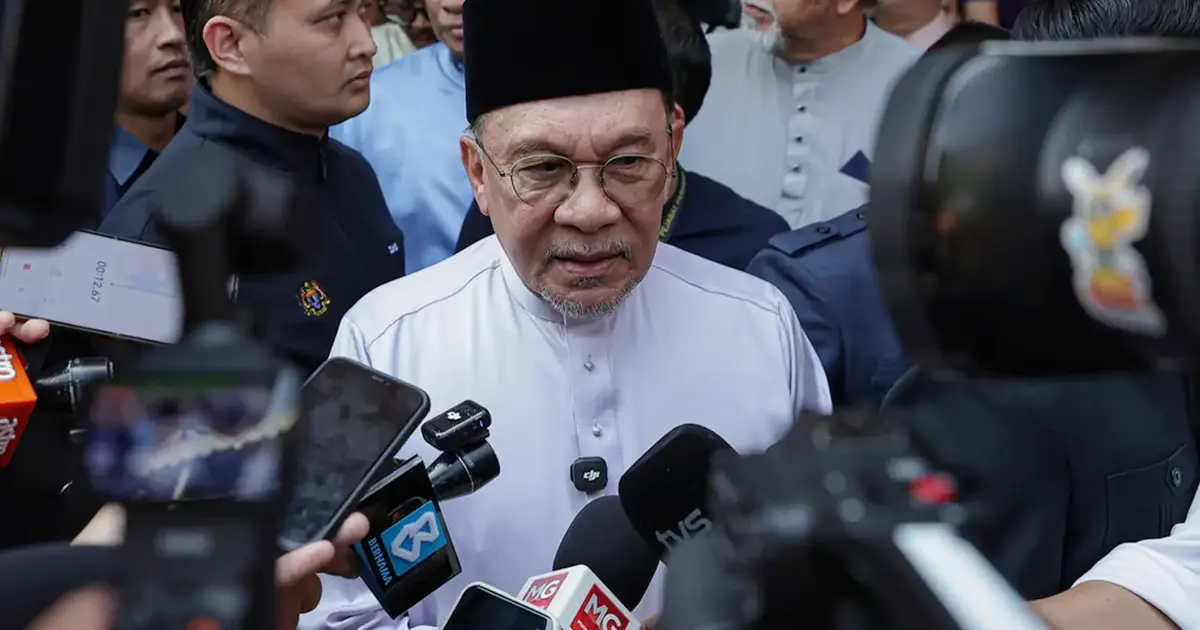
Prime Minister Anwar Ibrahim has responded to Malaysia's latest public approval figures with a call for intensified effort rather than self-satisfaction, signalling that strong performance metrics should motivate rather than comfort his administration. The recent Merdeka Center survey placed his government among the highest ratings in recent polling cycles, but Anwar characterised the results as a responsibility rather than a vindication of current policies.
The prime minister's cautious approach to positive polling data reflects a broader understanding within the Cabinet that electoral and public sentiment surveys are snapshots in time, vulnerable to rapid shifts based on economic conditions, policy implementation challenges, and external pressures. By explicitly warning against complacency, Anwar is attempting to foster a culture of accountability within his government while simultaneously managing expectations that high approval ratings create among both the public and his political coalition partners.
Merdeka Center surveys carry significant weight in Malaysian political discourse. The independent polling organisation has established credibility over decades of measurement, and its findings are closely monitored by political parties, businesses, and international observers assessing Malaysia's governance trajectory. Strong showings in Merdeka Center data can provide political capital, but they also invite scrutiny of whether public satisfaction translates into tangible improvements in living standards, economic opportunity, and government service delivery.
For Anwar specifically, the approval ratings arrive during a period when his administration has attempted to establish a reform agenda focused on reducing corruption, improving transparency in government procurement, and addressing cost-of-living pressures that have dominated public conversation. The government's ability to convert public goodwill into sustained support depends significantly on whether citizens perceive concrete progress on these fronts over the coming months.
The political landscape in Malaysia remains fragmented, with Anwar's administration dependent on support from multiple coalition parties and independent lawmakers to maintain parliamentary majorities. In this context, positive public approval provides negotiating leverage when dealing with coalition partners who might otherwise extract political concessions. High ratings also offer some insulation against backbench rebellions or defections that could destabilise the government's position in Parliament.
Regionally, Malaysia's governance indicators draw attention from neighbouring countries and international economic observers. Strong approval ratings and demonstrated government competence can influence investment decisions, foreign relations, and Malaysia's standing within ASEAN and beyond. Conversely, declining public confidence can create perceptions of instability that have immediate economic consequences, particularly given Malaysia's reliance on foreign direct investment and regional trade integration.
Anwar's emphasis on continued effort despite favourable ratings suggests awareness that the government faces significant structural challenges requiring sustained attention. Inflation, wage stagnation, education quality, healthcare accessibility, and infrastructure development remain areas where public expectations frequently exceed demonstrated results. The gap between sentiment and service delivery has historically been a vulnerability for Malaysian governments, and Anwar appears determined to narrow it.
The timing of the Merdeka Center survey and the prime minister's response also serve internal political functions within the government coalition. By emphasising that positive ratings should drive harder work, Anwar reinforces his leadership authority and sets expectations for portfolio ministers regarding their performance metrics. This approach can help maintain cohesion within a multi-party administration where individual ministers and party leaders might otherwise prioritise narrow partisan interests over broader government objectives.
Public approval metrics in Malaysia have historically demonstrated volatility, particularly when economic shocks, policy missteps, or political scandals capture public attention. The 2023 general election fundamentally shifted Malaysia's political configuration, and the subsequent period has involved continuous navigation of coalition management, policy implementation, and communication about government achievements. Sustaining and building upon current approval levels requires consistent execution across multiple government agencies and sustained communication about tangible benefits reaching Malaysian households.
Looking forward, Anwar's administration faces tests that will determine whether current goodwill can be translated into durable political support. Upcoming budget allocations, infrastructure project completions, employment growth, and wage improvement will provide concrete measures against which public sentiment can be calibrated. The prime minister's insistence on avoiding complacency suggests recognition that approval ratings are instruments of accountability rather than achievements in themselves, and that true governmental success is measured through citizens' lived experiences rather than survey percentages.

