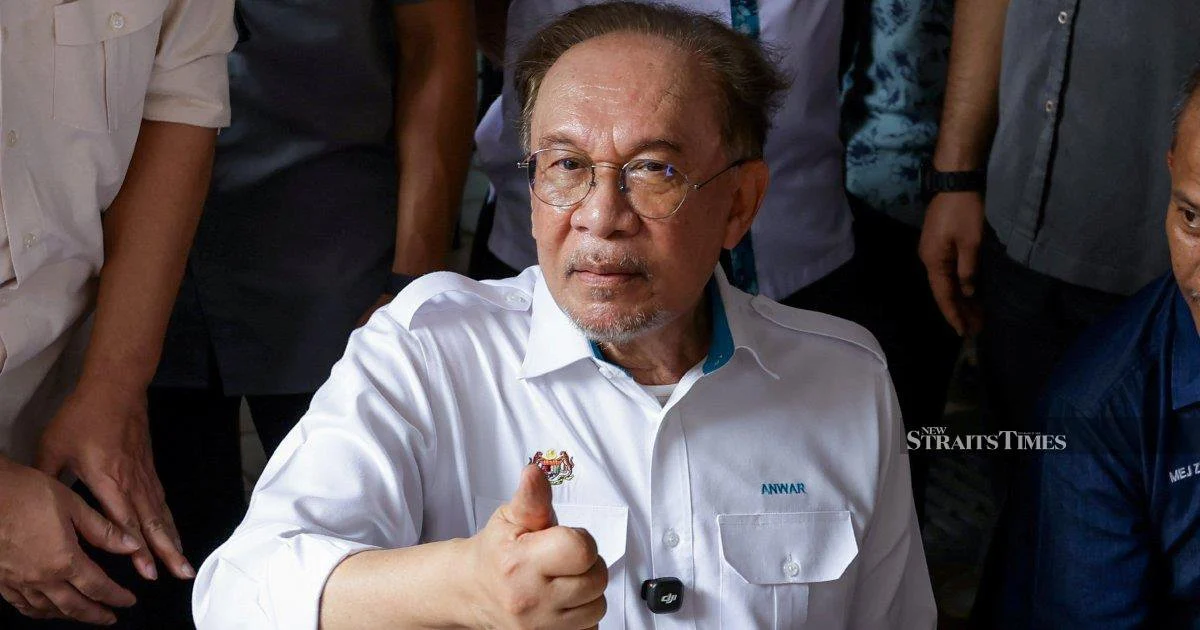
Prime Minister Datuk Seri Anwar Ibrahim has consolidated his position as Malaysia's most popular political leader, commanding the highest approval rating in the latest round of polling conducted by the Merdeka Centre. The survey findings underscore the relative strength of Anwar's standing with the Malaysian public at a time when the nation continues navigating economic pressures and political transition following recent coalition realignments.
The Merdeka Centre, one of Malaysia's most established independent polling organisations, regularly measures public sentiment towards senior government and opposition figures. Such surveys offer important indicators of how ordinary Malaysians perceive their political leadership at any given moment. Anwar's commanding position in this particular round comes after nearly two years at the helm of government, a period marked by efforts to stabilise the economy, pursue anti-corruption initiatives, and manage coalition politics within his Pakatan Harapan-Barisan Nasional unity administration.
At the opposite end of the approval spectrum, Deputy Prime Minister Datuk Seri Zahid Hamidi recorded the lowest rating among the measured political figures. This represents a notable challenge for Zahid, who has held senior positions across multiple administrations and previously led the United Malays National Organisation, the dominant component of Barisan Nasional. The disparity between Anwar's approval and Zahid's suggests considerable variance in how Malaysians assess different members of the cabinet hierarchy.
The survey results carry particular significance given Malaysia's fractious political landscape, where coalition dynamics remain volatile and public opinion can influence party positioning ahead of any potential snap elections. Leadership approval ratings function as a barometer of electoral viability, particularly for incumbent officeholders whose popularity may determine whether their parties can retain or expand their parliamentary majorities. For Anwar specifically, strong public backing provides political capital to push through unpopular but necessary economic reforms or to manage tensions within his multi-ethnic, multi-party governing coalition.
Analysts often point to several factors underpinning approval fluctuations among Malaysia's top leaders. Economic conditions weigh heavily on public sentiment, particularly given persistent inflation concerns and employment anxieties affecting urban and rural communities. Crime and public safety likewise feature prominently in how citizens evaluate their leaders' effectiveness. Corruption perception also influences ratings, particularly following decades of scandals that eroded public trust in institutions. Anwar's positioning as an anti-corruption crusader, combined with his focus on revitalising the economy through foreign investment and domestic initiatives, appears to resonate with poll respondents.
Zahid's lower standing may reflect multiple pressures. His past legal troubles, including a previous corruption trial that was subsequently acquitted, continue to frame public perception despite official exoneration. Additionally, as Deputy Prime Minister, Zahid occupies a position with less direct public visibility than the Prime Minister, making it harder for him to shape his own narrative or claim credit for policy successes. The internal dynamics of his alliance with Anwar, stemming from the historic Barisan-Pakatan coalition arrangement, may also generate ambiguity about his actual influence and portfolio management.
For the broader coalition government, these polling disparities present both opportunities and risks. Anwar's popularity provides a stabilising force that could help prevent defections or internal fracturing, yet it simultaneously accentuates power imbalances within the cabinet. Zahid's weaker standing creates vulnerability to opposition attacks and potentially complicates efforts by Barisan components to motivate their grassroots members. The gap between top and bottom performers suggests that some cabinet members enjoy substantially greater public confidence than others, a dynamic that typically becomes more pronounced during elections or political crises.
Regionally, Malaysia's political standing within Southeast Asia partly reflects how domestic audiences perceive their leaders. International investors, development partners, and neighbouring governments often monitor Malaysian leadership approval ratings as indicators of political stability. Strong approval for the Prime Minister typically translates into predictability and reduced risk premiums for foreign capital, whereas fractious leadership dynamics can unsettle markets and complicate bilateral relations.
The Merdeka Centre survey also reflects broader patterns in how Malaysians across different demographic segments assess leadership. Age groups, urban-rural divides, educational backgrounds, and ethnic communities often diverge in their approval patterns. Anwar's commanding lead suggests he has built a relatively broad base of support that crosses multiple demographic lines, whereas Zahid's lower rating may indicate concentration of support within particular constituencies or age groups, with weaker penetration elsewhere.
Moving forward, these approval dynamics will likely shape coalition strategy and internal power balances. If Anwar's popularity persists or strengthens, it enhances his leverage in managing the coalition and pushing through governance agendas that more junior partners might resist. Conversely, any decline in his ratings would embolden opposition voices and create openings for cabinet-level challenges. For Zahid specifically, reversing his low standing requires heightened public visibility, claimed policy victories, and perhaps distance from any remaining baggage associated with past controversies.
The survey underscores that Malaysian public opinion, despite occasional volatility, responds meaningfully to leaders' economic performance, anti-corruption credentials, and perceived effectiveness in addressing daily concerns. Anwar's extended lead in this poll represents neither permanent entitlement nor irreversible advantage, but rather a snapshot of current public sentiment that competing political forces will actively seek to reshape through their own messaging, performance, and strategic manoeuvres in coming months.

