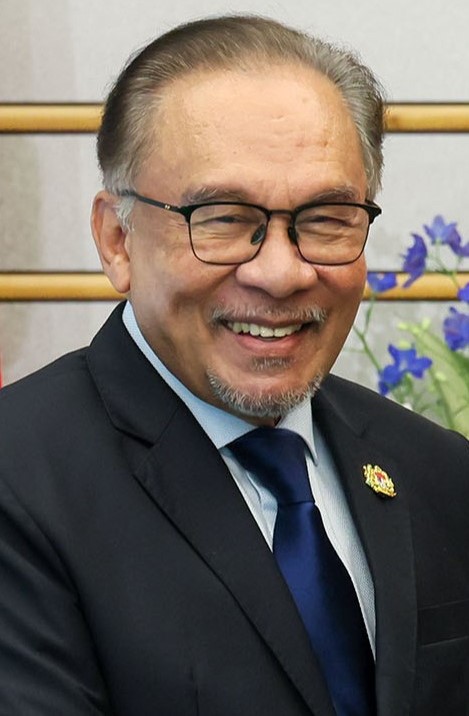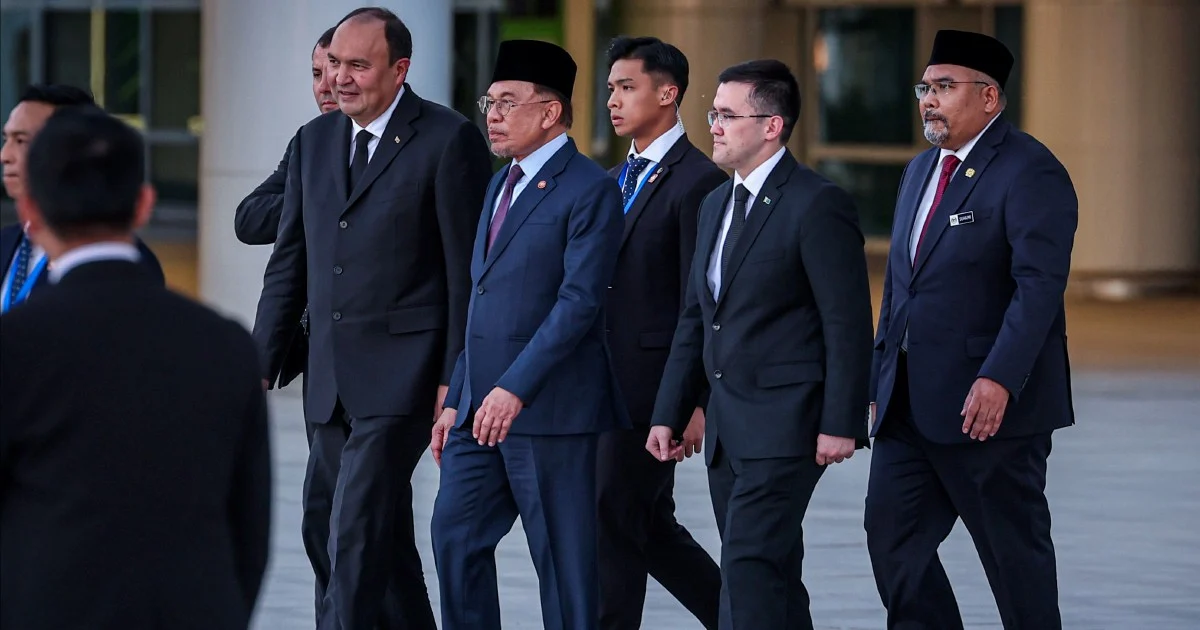
Prime Minister Datuk Seri Anwar Ibrahim is set to capitalise on the final day of his official visit to Turkmenistan by engaging in a comprehensive series of high-level discussions with the Central Asian nation's leadership. The summit activities in Ashgabat, the capital of Turkmenistan, underscore Malaysia's strategic pivot towards diversifying its economic partnerships beyond traditional markets in Southeast Asia and the Middle East.
Turkmenistan's geographical positioning along the eastern shore of the Caspian Sea positions it as a crucial gateway to Central Asia, a region increasingly vital to global trade corridors and energy security. For Malaysia, establishing deeper connections with Turkmenistan represents an opportunity to tap into emerging markets while simultaneously strengthening Malaysia's influence in one of the world's fastest-developing regions. The visit signals Kuala Lumpur's recognition that Central Asia offers untapped potential for Malaysian businesses, particularly in energy, manufacturing, and technology sectors.
The bilateral engagement during this visit extends beyond mere ceremonial protocol. Malaysian delegations typically use such high-profile visits to negotiate framework agreements, explore joint ventures, and identify sectors where mutual collaboration can generate meaningful economic returns. Turkmenistan, with its vast natural gas reserves and strategic importance in regional infrastructure projects, presents compelling investment opportunities that align with Malaysia's long-term economic diversification strategies.
From Turkmenistan's perspective, Malaysia represents a bridge to Southeast Asian markets and Islamic financial systems. The Commonwealth connection and Malaysia's experience in developing Islamic finance sectors offer Turkmenistan pathways to access broader investment networks and financial instruments that may facilitate infrastructure development and private sector growth. This mutual interest in collaboration creates a foundation for substantive partnerships that transcend typical bilateral relations.
The deliberate focus on trade and investment during these final engagements reflects a broader Malaysian strategy of securing economic partnerships across multiple regions simultaneously. Rather than concentrating solely on traditional trade partners within ASEAN or established markets in Europe and North America, Malaysia increasingly recognises the competitive advantage of early-mover positioning in emerging Central Asian economies.
Energy cooperation represents a particularly promising avenue for bilateral collaboration. Turkmenistan's hydrocarbon resources and Malaysia's expertise in downstream energy processing and petrochemical development could facilitate joint projects benefiting both nations. Additionally, Malaysia's experience in managing diverse religious and ethnic populations offers potential knowledge-sharing opportunities relevant to Turkmenistan's own governance challenges.
The visit also carries implications for regional geopolitics and economic architecture. Malaysia's active engagement in Central Asia may influence the strategic calculations of other Southeast Asian nations and could contribute to shifting economic dynamics along the historically significant Silk Road corridors. By establishing meaningful economic ties with Central Asian nations, Malaysia positions itself as an integral participant in cross-continental trade networks that are reshaping global commerce patterns.
Investment protection agreements and trade facilitation mechanisms typically feature prominently in such high-level bilateral visits. These foundational documents provide the legal and institutional frameworks necessary for businesses from both countries to operate with confidence and predictability. Without such agreements, commercial transactions between distant markets become riskier and more costly, effectively discouraging private sector participation.
The timing of this visit reflects Malaysia's proactive approach to regional diplomacy during a period of significant global economic realignment. As traditional power centres face domestic challenges and shifting priorities, nations like Malaysia are leveraging their diplomatic neutrality and pragmatic approach to establish themselves as reliable partners for emerging economies seeking diversified international relationships.
Moreover, successful conclusion of trade negotiations and investment commitments during this visit could create precedent for broader Central Asian engagement by Malaysian corporations. When government leaders establish high-level diplomatic channels and signal commitment to particular regional partnerships, private businesses gain confidence to pursue commercial opportunities that might otherwise seem too distant or risky. This multiplier effect transforms official visits into catalysts for sustained economic relationship development.
The Central Asian region's growing importance in global supply chains, particularly regarding rare earth minerals and energy resources, makes Turkmenistan an increasingly relevant economic partner. Malaysian manufacturers and energy companies seeking to diversify sourcing and expand market reach will benefit from the diplomatic groundwork being laid during this visit. Such strategic positioning ensures Malaysian interests are protected as Central Asia becomes more integrated into global economic structures.
Looking forward, the substantive outcomes of these final bilateral engagements will likely determine whether this visit represents a singular diplomatic gesture or the beginning of a sustained partnership trajectory. Malaysian policymakers are demonstrating through such visits their commitment to thinking beyond traditional regional boundaries and positioning Malaysia as a truly global economic player willing to engage with less conventional trading partners across diverse geographical and cultural contexts.