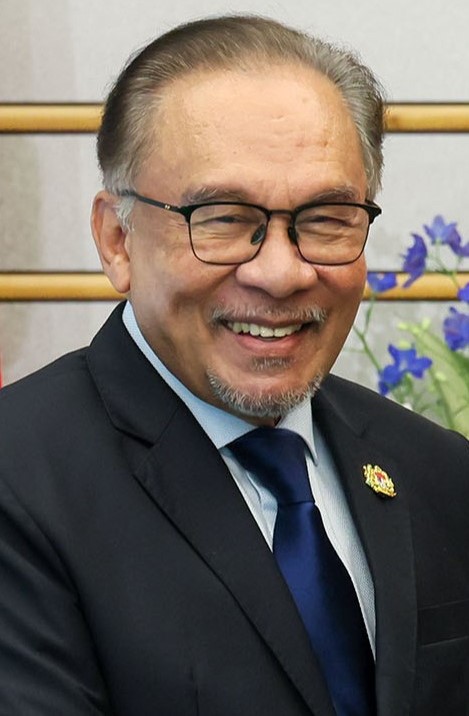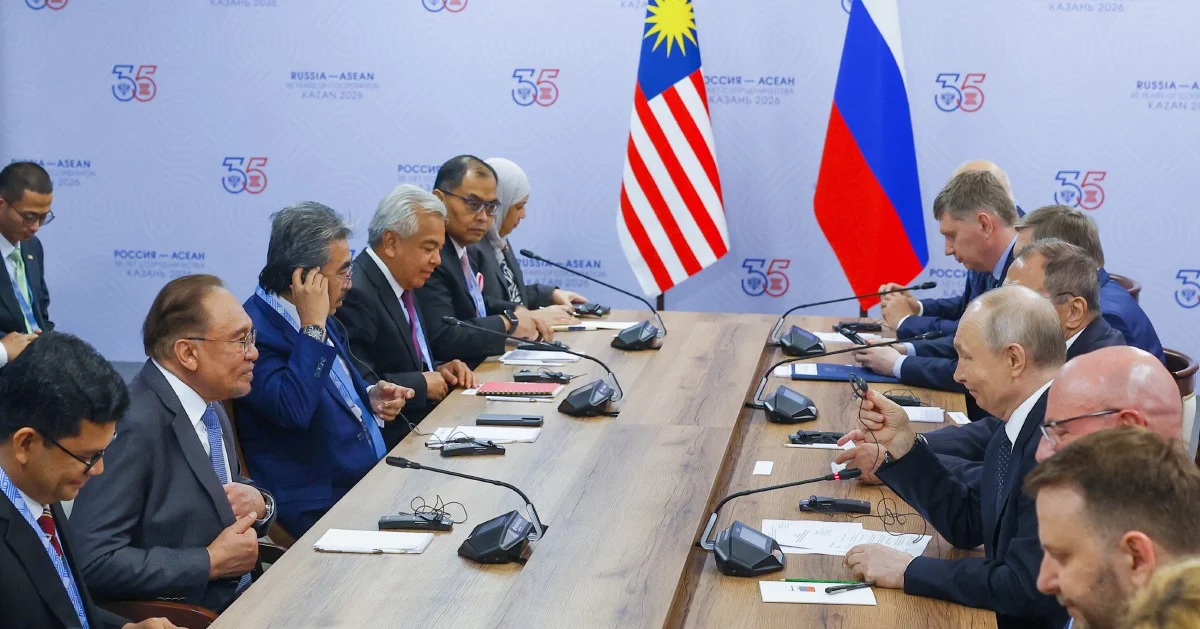
Prime Minister Datuk Seri Anwar Ibrahim has publicly acknowledged Russian President Vladimir Putin's backing for strengthened energy partnerships between Malaysia and Petroliam Nasional Bhd, signalling the two nations' commitment to expanding collaboration in the hydrocarbon sector. The remarks, made during diplomatic engagement in Kazan, reflect Malaysia's broader strategic repositioning as it seeks to diversify its energy partnerships and secure reliable sources of technical expertise and investment.
The appreciation extended by Anwar comes at a pivotal moment in Malaysia's energy strategy. As global markets grapple with fluctuating oil and gas prices and evolving energy transition demands, bilateral cooperation with major energy-producing nations like Russia becomes increasingly valuable for securing stable supply chains and accessing advanced exploration and production technologies. Petronas, which remains the cornerstone of Malaysia's energy revenue generation, stands to benefit from closer institutional ties with Russian counterparts, opening pathways for joint ventures, research collaboration, and knowledge transfer in deep-water drilling, liquefied natural gas operations, and petrochemical development.
Russia's endorsement of deepened energy ties with Malaysia carries particular significance given the geopolitical landscape. As Western nations have imposed sanctions on Russian energy sectors, Moscow has actively cultivated alternative partnerships across Asia and the Global South. For Malaysia, engaging with Russia provides an opportunity to position itself as a neutral, pragmatic actor capable of maintaining relationships across competing blocs while prioritising national economic interests. This alignment reflects a broader pattern of Malaysian foreign policy emphasising strategic autonomy and non-alignment, particularly crucial for a nation dependent on energy revenues.
Petronas itself operates in multiple dimensions of Malaysia's energy security framework. The national oil and gas corporation not only generates substantial government revenue but also contributes significantly to downstream industrial development, employment, and technological advancement. Closer cooperation with Russian entities, whether through joint exploration initiatives, technical training programmes, or integrated supply chain arrangements, could enhance Petronas's competitive positioning in Southeast Asia's energy market and provide leverage in international negotiations.
From a regional perspective, Malaysia's energised engagement with Russia also sends signals to neighbouring nations about the diversification of energy partnerships in Southeast Asia. The Association of Southeast Asian Nations encompasses several energy-exporting and energy-importing economies, and Malaysia's pursuit of broader cooperation networks reflects a recognition that regional stability and prosperity depend on robust, multi-directional energy diplomacy. Competition for resources, investment, and technological partnerships will intensify as energy demand continues climbing throughout Asia, making strategic bilateral arrangements increasingly important.
The energy cooperation framework also intersects with Malaysia's sustainability commitments and transition planning. Russia possesses significant expertise in managing complex hydrocarbon extraction in challenging environments, expertise that could prove valuable as Petronas manages the long tail of conventional reserves whilst simultaneously preparing infrastructure and workforce for lower-carbon energy futures. Russian technical capacity in areas such as carbon capture, storage, and utilisation could support Malaysia's net-zero ambitions whilst maintaining viable petroleum and gas production in the medium term.
Diplomatically, Anwar's acknowledgement of Putin's support underscores the importance Malaysia attaches to maintaining cordial relations with all major powers. Despite geopolitical pressures and international divisions over various global issues, Malaysia has consistently prioritised pragmatic engagement and economic cooperation. This approach has enabled Malaysian companies and institutions to access global markets, attract investments, and secure strategic partnerships without sacrificing diplomatic flexibility or international standing.
The timing of these exchanges also reflects broader developments in Malaysia's international engagement strategy. Recent years have witnessed intensified economic and security dialogues with numerous partners, from traditional allies to emerging power centres. Energy diplomacy serves as a particularly effective instrument for building trust and demonstrating mutual benefit, often creating pathways for expanded cooperation across defence, technology, and investment domains.
For Petronas specifically, international partnerships are essential for accessing new exploration frontiers, securing financing for massive capital-intensive projects, and navigating increasingly stringent environmental standards. Russian technology providers and exploration firms bring valuable experience from Arctic operations, deepwater developments, and unconventional reservoirs that could enhance Petronas's portfolio management and technical capabilities. Joint training initiatives could also develop Malaysian talent capable of competing in sophisticated energy sector roles.
The broader implications for Malaysia's economic planning are noteworthy. Energy revenue provides the fiscal foundation for public investment in infrastructure, education, and healthcare. By strengthening partnerships that enhance Petronas's long-term viability and competitive advantage, Malaysia creates conditions for sustained fiscal capacity even as energy markets undergo profound transformation. This becomes increasingly critical as conventional petroleum reserves deplete and renewable energy sources gradually assume larger roles in the global energy mix.
Moving forward, the cultivation of energy partnerships with Russia, alongside existing arrangements with Gulf states, Asian economies, and Western nations, positions Malaysia as a genuinely independent actor capable of securing optimal terms and conditions for its natural resources. This multi-partnership approach, reflected in Anwar's diplomatic engagement, represents a mature energy diplomacy strategy focused on maximising benefits for Malaysian citizens whilst maintaining strategic flexibility in an uncertain geopolitical environment.