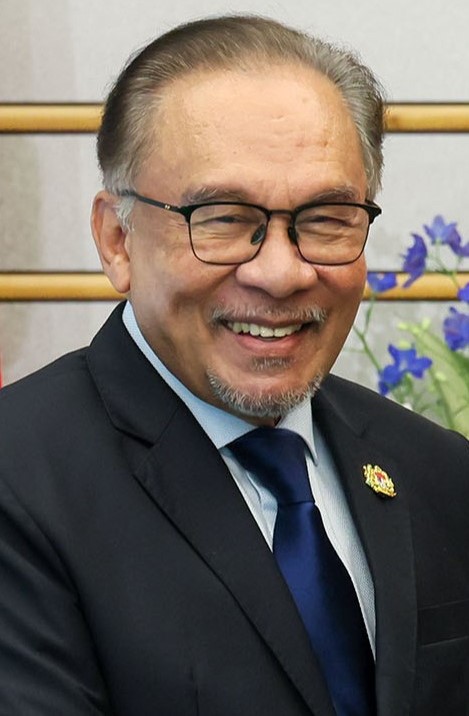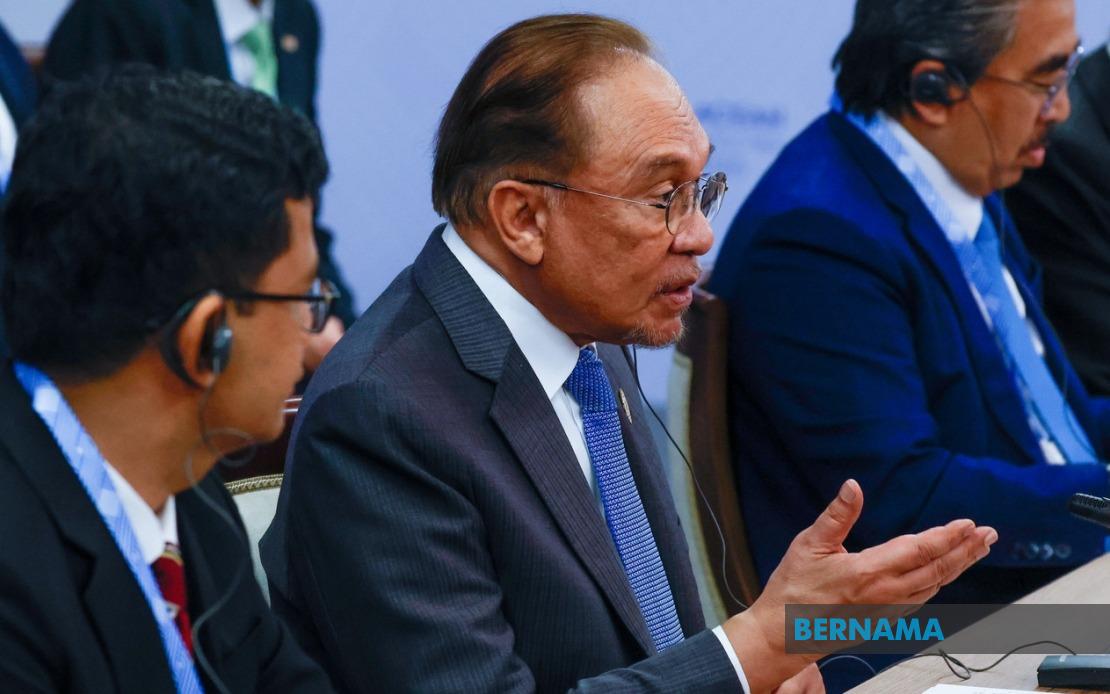
Malaysian Prime Minister Datuk Seri Anwar Ibrahim has publicly acknowledged Russia's approach to two of the Middle East's most contentious geopolitical flashpoints, expressing his country's appreciation for Moscow's unwavering diplomatic stance on Gaza and the regional crisis involving Iran. The remarks, delivered during a bilateral meeting with Russian President Vladimir Putin in Kazan on Wednesday evening, underscore Malaysia's interest in aligning with nations that adopt what Anwar characterised as principled positions on these volatile issues that continue to shape international relations across multiple continents.
During his opening statement at the high-level talks, Anwar highlighted Russia's consistency in navigating both the Palestinian-Israeli conflict and broader tensions surrounding Iran's regional role. The Prime Minister's decision to explicitly thank Putin for these stances signals Malaysia's careful calibration of its foreign policy in an increasingly multipolar world where Middle Eastern conflicts reverberate across Asia. By publicly endorsing Russia's approach, Anwar has positioned Malaysia as a nation comfortable acknowledging Moscow's diplomatic contributions despite Western criticism of Russian actions elsewhere, including its invasion of Ukraine.
The Malaysian leader framed his appreciation in terms that emphasised conviction and steadfastness, qualities he suggested were admirable in an international environment often characterised by inconsistency and shifting alliances. Anwar's language—invoking tenacity and conviction—suggests that Malaysia values predictability and principle-driven foreign policy over pragmatic opportunism. This reflects a broader Malaysian perspective that smaller nations benefit when major powers maintain clear, transparent positions rather than adjusting their stances based on shifting geopolitical pressures or economic incentives.
Russia's position on Gaza, which Anwar referenced approvingly, has consistently emphasised the necessity of ceasefire negotiations and unimpeded humanitarian access for Palestinian populations caught in the conflict. Moscow has advocated for diplomatic pathways to resolve the Israeli-Palestinian dispute rather than military escalation, a stance that resonates with Malaysia's own history of championing Palestinian rights and opposing what it views as disproportionate use of force. For Malaysian policymakers, Russian support for humanitarian principles in Gaza aligns with domestic political sensibilities and public opinion that has long been sympathetic to Palestinian causes.
Regarding Iran, Russia has maintained close diplomatic and economic relationships with Tehran while simultaneously promoting dialogue over military confrontation as the preferred mechanism for managing regional tensions. This approach appeals to nations like Malaysia that prioritise stability and fear that military escalation in the Persian Gulf or broader Middle East could disrupt global energy markets, international trade routes, and regional security arrangements that affect Southeast Asia's prosperity. Russia's advocacy for negotiated settlements resonates with Malaysia's preference for multilateral diplomacy and adherence to international law as mechanisms for resolving disputes.
The bilateral meeting between Anwar and Putin reflects the strategic importance both nations place on their relationship and their shared interests in maintaining a multipolar international order. For Malaysia, engaging constructively with Russia presents an opportunity to diversify its diplomatic partnerships beyond traditional Western alignments, while also signalling to other major powers that Malaysia conducts independent foreign policy calculations. The meeting also demonstrates that despite geopolitical divisions, nations continue to seek common ground on specific international issues where their interests and values overlap.
Gaza and Iran occupy central positions in contemporary geopolitical discussions among major powers including the United States, Russia, and China. Each of these powers has distinct interests and perspectives on how these issues should be addressed, creating a complex diplomatic landscape where smaller nations must navigate carefully. Malaysia's recognition of Russia's consistency on these matters suggests the country views Russia as a more principled actor than some alternatives, or at least one whose positions align more closely with Malaysian preferences regarding Middle Eastern affairs.
The emphasis on Russia's humanitarian concerns regarding Gaza and support for diplomatic resolution of Iran-related tensions reflects principles that Malaysia itself champions internationally. Malaysia's constitution enshrines commitments to the United Nations, international law, and peaceful resolution of conflicts. When Anwar praised Putin's consistency, he was essentially validating an approach that Malaysia itself advocates through multilateral forums, suggesting a natural alignment between Malaysian values and certain aspects of Russian foreign policy positioning.
Anwar's public commendation also carries implications for Malaysia's standing within ASEAN and among non-aligned nations more broadly. By demonstrating Malaysia's willingness to engage substantively with Russia and acknowledge areas of agreement, the Prime Minister signals that Malaysia remains genuinely non-aligned rather than automatically deferring to Western preferences on all international matters. This positioning helps Malaysia maintain credibility with various international actors and sustains its reputation as a nation that evaluates issues on individual merits rather than through ideological lenses.
The diplomatic language used during the meeting—emphasising principle, consistency, and conviction—suggests both leaders value the appearance of moral clarity in international affairs, even when their actual policy implementation may involve pragmatic compromises. For Malaysia, such rhetoric helps justify engagement with diverse international partners and demonstrates that the country's foreign policy rests on genuine principles rather than simple opportunism or alignment with the strongest power at any given moment.
Looking forward, Malaysia's explicit appreciation for Russia's positions on Gaza and Iran may encourage deeper engagement between the two nations on these and related issues. Whether through expanded multilateral diplomatic initiatives, increased coordination on regional security matters, or simply continued high-level dialogue, the relationship between Malaysia and Russia appears positioned for development based on convergent interests in Middle Eastern affairs and a shared preference for multipolar international arrangements.
The timing of these remarks, during an era of heightened global tensions and competing spheres of influence, underscores Malaysia's determination to maintain relationships across geopolitical divides while remaining true to principles it believes serve both its national interests and broader international stability. Anwar's comments represent not merely diplomatic courtesy but a substantive recognition of strategic alignment on critical issues that will continue shaping the international environment in which Malaysia operates.