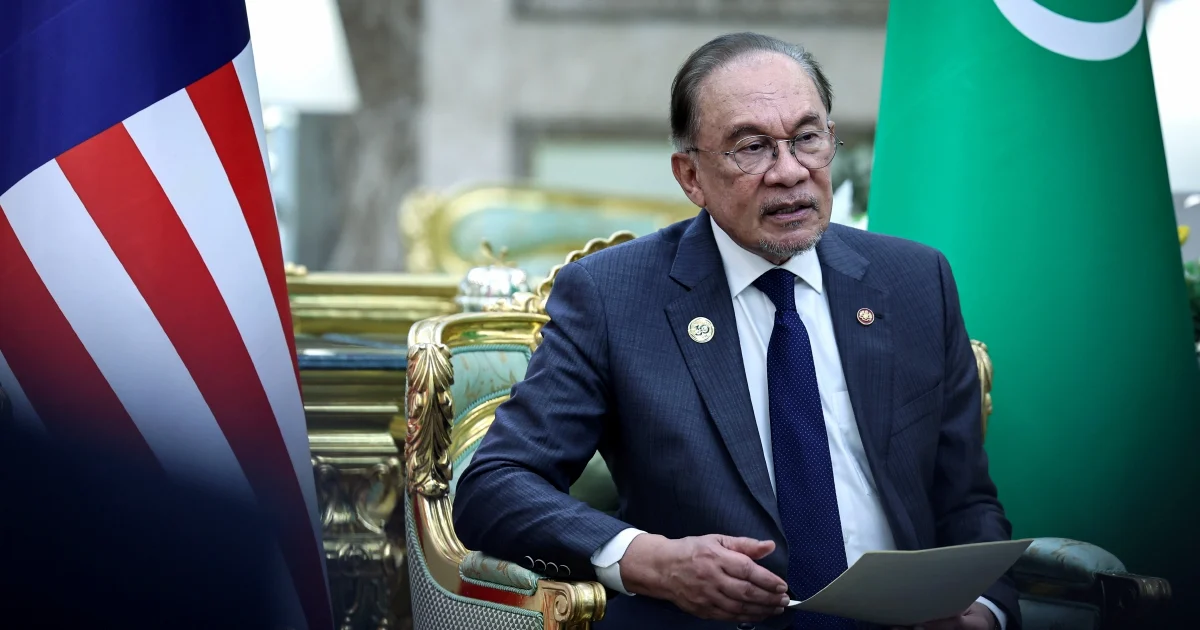
Prime Minister Datuk Seri Anwar Ibrahim has expressed qualified optimism following reports of an initial agreement between the United States and Iran, signaling Malaysia's diplomatic interest in de-escalating tensions within the Middle East region. Speaking in Batu Kawan, the Malaysian leader framed the reported breakthrough as constructive news with implications extending beyond the two nations involved, reflecting Kuala Lumpur's longstanding commitment to multilateral dialogue and peaceful conflict resolution.
Anwar's comments arrive at a moment when Middle Eastern geopolitics remain deeply fragmented following decades of bilateral hostility between Washington and Tehran. Malaysia, as a significant Muslim-majority nation and active participant in regional forums, typically positions itself as a bridge-builder in international disputes. The prime minister's endorsement of the reported accord aligns with this established diplomatic posture, signaling that Kuala Lumpur views any thaw in US-Iran relations as potentially beneficial for broader global stability.
The reported agreement, should it materialize into a binding framework, would represent a significant shift in Middle Eastern strategic dynamics. A sustained rapprochement between the United States and Iran could reduce proxy conflicts across Iraq, Syria, Lebanon, and Yemen—regions where Malaysian economic and diplomatic interests remain tangible. The Malaysian government has previously articulated concern over sectarian violence and humanitarian crises stemming from regional instability, making any credible diplomatic resolution aligned with national interests.
Anwar's measured optimism reflects the cautious pragmatism Malaysia has cultivated in foreign relations. Rather than enthusiastically endorsing either superpower unilaterally, the prime minister framed the breakthrough as positive for the international community writ large. This careful positioning maintains Malaysia's strategic autonomy while affirming commitment to global peace mechanisms, an approach consistent with Kuala Lumpur's historical role at the United Nations and in non-aligned forums.
The implications for Southeast Asian trade and investment merit consideration. A less confrontational US-Iran posture could reduce energy price volatility that directly impacts regional economies dependent on petroleum imports. Malaysia, itself a significant energy producer and exporter, nonetheless maintains sensitivity to global oil market disruptions. Reduced tension in the Persian Gulf maritime environment would also benefit ASEAN shipping interests, with major trading corridors passing through the region's strategic waterways.
From a humanitarian perspective, sustained US-Iran dialogue offers potential pathways toward resolving protracted conflicts that have displaced millions. Malaysia hosts substantial refugee populations and has historically participated in humanitarian relief efforts across the Islamic world. A more stable Middle East framework could reduce future displacement pressures and enable Malaysia to redirect resources toward domestic development priorities.
Anwar's statement carries weight within Malaysia's domestic political context as well. His administration has sought to emphasize pragmatic, non-ideological foreign policy while appealing to the nation's diverse constituencies. By welcoming the US-Iran agreement without partisan framing, the prime minister reinforces his government's commitment to universal peace principles that transcend specific geopolitical alignments or religious community divisions.
However, Anwar's qualified optimism also reflects awareness of the fragility surrounding such agreements. Historical precedent demonstrates that initial accords between Washington and Tehran often prove vulnerable to domestic political shifts, as demonstrated by the cycles of engagement and sanction witnessed over recent decades. The prime minister's emphasis on hoping for a "lasting peace" suggests recognition that preliminary agreements must evolve into sustained, institutionalized frameworks to yield meaningful dividends.
Regionally, Malaysia's position carries symbolic weight within ASEAN deliberations on Middle Eastern affairs. As chair or participant in various multilateral forums addressing global peace, Kuala Lumpur's diplomatic statements influence how Southeast Asian consensus develops around contentious international issues. Anwar's measured endorsement suggests Malaysia will likely facilitate rather than obstruct multilateral engagement mechanisms supporting US-Iran normalization efforts.
The prime minister's comments also position Malaysia favorably with both major powers and with the broader Muslim world. By casting support for the agreement in terms of universal peace rather than strategic alignment with either Washington or Tehran, Anwar maintains diplomatic flexibility that serves Malaysia's interests across multiple domains. This nuanced approach has enabled Malaysia to preserve commercial relationships, security partnerships, and cultural influence across traditionally opposing spheres.
Looking forward, Malaysia may find opportunities to leverage improved US-Iran relations for its own regional objectives. Enhanced stability in the Middle East creates space for Southeast Asian nations to pursue development agendas without managing spillover effects from great power confrontation. Additionally, reduced US-Iran tensions could create diplomatic openings for Malaysian mediation or participation in multilateral frameworks addressing regional challenges from counterterrorism to maritime security.
The practical tests ahead will determine whether preliminary agreements translate into durable institutional change. Malaysia's diplomatic posture of cautious welcome positions the nation appropriately—neither prematurely celebrating outcomes nor dismissing opportunities for positive development. As negotiations progress, Anwar's administration will likely continue calibrating Malaysia's messaging to reflect evolving circumstances while maintaining consistent commitment to regional peace and prosperity objectives.

