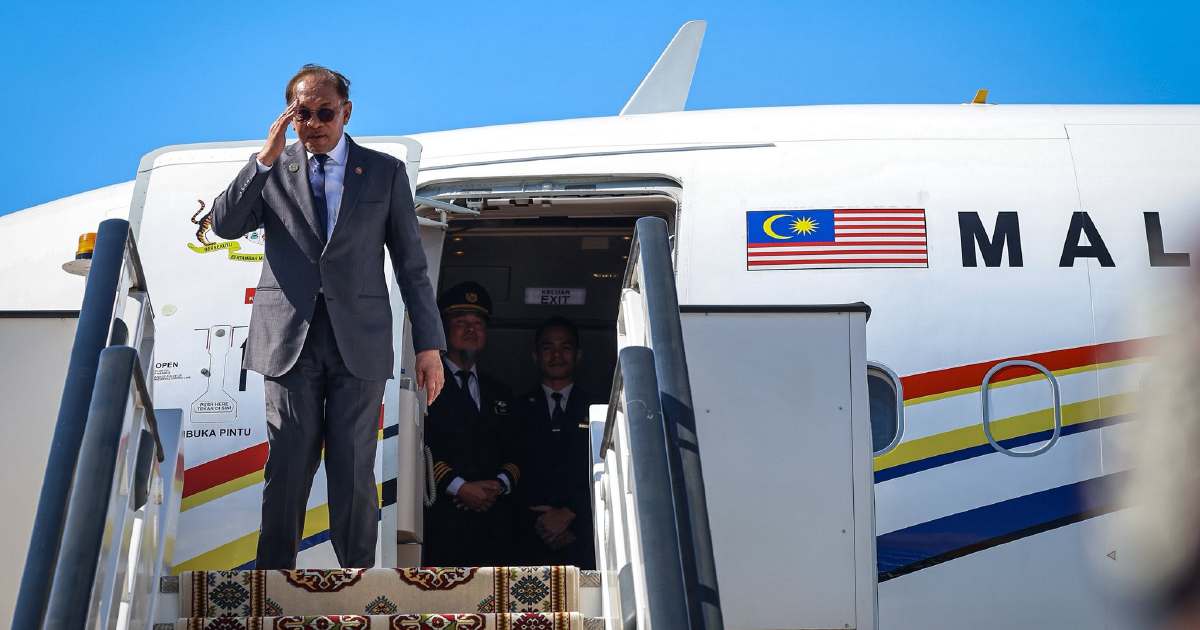
Prime Minister Datuk Seri Anwar Ibrahim has declared his official visit to Turkmenistan a resounding success, highlighting significant progress in deepening bilateral engagement and expanding the scope of strategic cooperation between Malaysia and the Central Asian nation. The high-level diplomatic mission, which underscores Malaysia's continued commitment to diversifying its international partnerships, has yielded tangible outcomes that position both countries for enhanced collaboration across multiple sectors.
Anwar's assessment of the visit reflects Malaysia's broader foreign policy orientation toward building meaningful relationships with nations across diverse regions and cultural spheres. Turkmenistan, a resource-rich nation strategically positioned between Europe and Asia, represents an important opportunity for Malaysian engagement in Central Asia, a region that has traditionally received less attention from Southeast Asian capitals. By elevating diplomatic contact at the prime ministerial level, Malaysia signals its willingness to invest in relationships that may yield long-term economic and geopolitical benefits.
The visit's framing as a success hinges on achieving what both governments view as foundational objectives. Strengthening bilateral ties encompasses a range of mechanisms including enhanced political dialogue, cultural exchanges, and people-to-people connections. For Malaysia, such initiatives serve to raise the country's profile in regions beyond its traditional spheres of influence and create platforms for dialogue on matters of mutual interest, from energy security to trade opportunities.
Expanding strategic cooperation suggests concrete agreements or understandings may have been reached during the visit. In the context of Malaysia-Turkmenistan relations, this likely encompasses cooperation in energy sectors, given Turkmenistan's significant hydrocarbon reserves, as well as potential collaboration in technology, education, and defence. Such frameworks typically involve establishing joint committees, facilitating business delegations, and creating institutional mechanisms for ongoing engagement between the two governments.
For Malaysian policymakers, engagement with Central Asian nations like Turkmenistan offers several strategic advantages. The region's geographic position creates opportunities for Malaysia to participate in connectivity initiatives linking Asia with Europe, potentially benefiting Malaysian businesses and investors seeking new markets. Additionally, engagement in Central Asia provides Malaysia with a voice in regional affairs that extend beyond Southeast Asia, enhancing its standing as a nation with global rather than merely regional interests.
Turkmenistan's interest in deepening ties with Malaysia reflects broader trends in Central Asian foreign policy, where nations are actively seeking partners beyond their traditional Russian and Chinese relationships. A closer association with a Southeast Asian democracy and Muslim-majority nation like Malaysia offers Turkmenistan opportunities to diversify its international partnerships and access new networks for commerce and cultural exchange. This mutual interest in expanding bilateral relations creates fertile ground for longer-term cooperation.
The timing and nature of the visit also carry implications for Malaysia's role within broader geopolitical frameworks. As major powers compete for influence across Asia, Malaysia's ability to cultivate independent relationships with diverse nations—including those in Central Asia—enhances its strategic autonomy and influence. Such engagements demonstrate that Malaysia is not confined to regional concerns but actively participates in shaping Asia's broader geopolitical landscape.
From a commercial perspective, enhanced relations with Turkmenistan open new avenues for Malaysian enterprises seeking to expand beyond established markets. The energy sector offers particular promise, given Malaysia's expertise in oil and gas operations and Turkmenistan's significant reserves. Beyond energy, sectors including manufacturing, technology, and tourism could benefit from improved bilateral frameworks and increased business visibility between the two nations.
The diplomatic mission also reinforces Malaysia's commitment to multilateralism and constructive engagement with nations across ideological and cultural divides. This approach aligns with Malaysia's long-standing foreign policy tradition of maintaining relations with diverse partners while avoiding rigid bloc alignments. By cultivating ties with Central Asian nations, Malaysia demonstrates its capacity to engage constructively across geographical and political boundaries.
Moving forward, the success of this visit will ultimately be measured by the tangible outcomes that materialise in subsequent months and years. Declarations of intent and bilateral agreements carry value primarily when they translate into sustained governmental action, commercial transactions, and people-to-people exchanges. Malaysian and Turkmenistani officials will likely need to establish working groups and coordinating mechanisms to ensure that commitments made during the prime ministerial visit are systematically implemented.
The visit also sends important messages to other Central Asian nations regarding Malaysia's openness to developing relationships in their region. Successful engagement with Turkmenistan could serve as a template for deepening Malaysia's presence across Central Asia, potentially opening doors for future high-level visits to Kazakhstan, Uzbekistan, and other nations. This strategic expansion reflects Malaysia's aspiration to position itself as a bridge between Asia's diverse regions and peoples.
Anwar's characterisation of the visit as achieving its objectives suggests that Malaysia has advanced its immediate diplomatic goals while laying groundwork for longer-term partnerships. Whether these accomplishments translate into substantive benefits for Malaysian citizens, businesses, and broader national interests will depend on the depth and sincerity with which both governments pursue the cooperative frameworks established during this landmark engagement.

