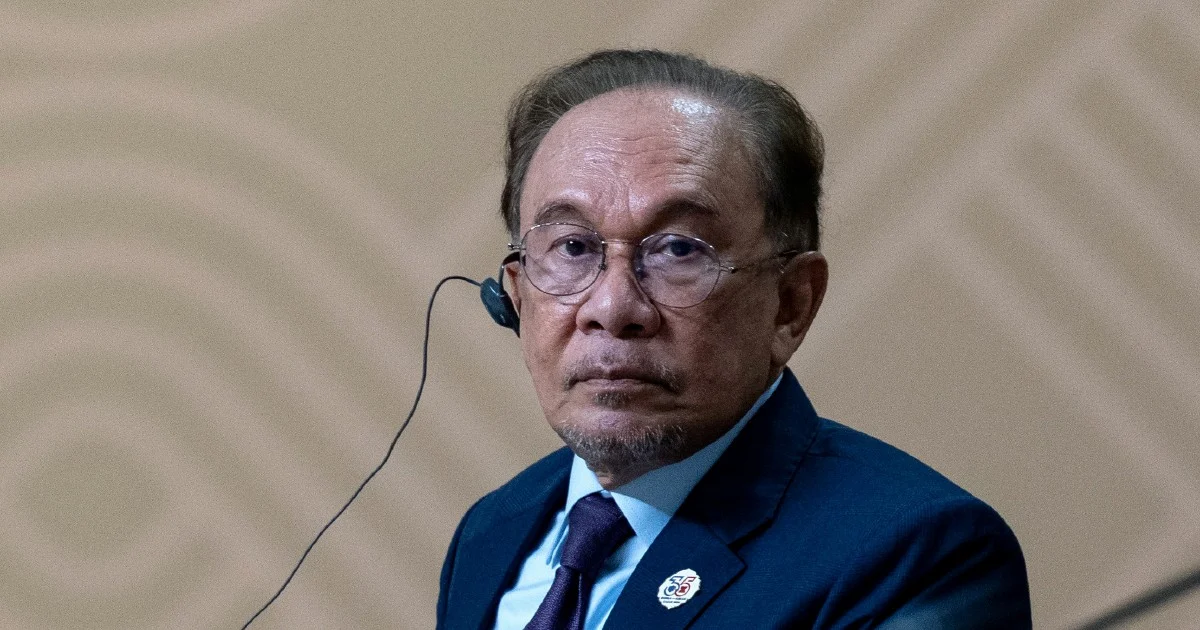
Malaysia's High Court has ruled in favour of Prime Minister Datuk Seri Anwar Ibrahim, allowing him to set aside a subpoena that would have compelled his appearance as a witness in a RM30 million civil dispute. The decision, handed down in Kuala Lumpur, represents a significant development in the case and reflects the court's recognition of the constitutional demands placed on the prime minister's office.
The case centres on a civil suit involving businessman Vinod Sekhar, with the litigation seeking substantial damages valued at RM30 million. The involvement of Malaysia's chief executive as a potential witness underscored the high-profile nature of the dispute, drawing attention to how the judicial system balances the testimonial requirements of civil proceedings against the operational exigencies of national governance.
Anwar's legal team had mounted an application to be excused from the subpoena, arguing that his attendance would create significant impediments to his duties as Prime Minister. The High Court's acceptance of this argument demonstrates judicial acknowledgment that the head of government cannot simply abandon ministerial responsibilities to satisfy every summons, particularly in civil matters where alternative evidence may be available.
This decision carries particular weight in the Malaysian legal context, where questions about the intersection of executive privilege and judicial process have long remained contested. Courts must weigh the public interest in ensuring justice through comprehensive witness testimony against the competing public interest in maintaining effective government. The ruling suggests the judiciary has concluded that in this instance, the latter consideration prevails.
The implications extend beyond the immediate parties involved. The judgment potentially establishes a precedent regarding how courts should approach applications from sitting prime ministers to avoid witness duties. While each case would necessarily be evaluated on its own merits, this ruling signals that Malaysian courts recognise institutional constraints on the prime minister's availability without necessarily granting blanket immunity from legal obligations.
The RM30 million quantum involved indicates this is no trivial dispute, and the fact that a prime minister's evidence was originally sought suggests the case involves matters of considerable complexity or significance. The nature of Vinod Sekhar's claim remains noteworthy, as it touches on commercial relationships that apparently had some connection to the office of the Prime Minister or matters within his knowledge.
From a governance perspective, the decision reflects a growing sophistication in how Malaysian courts handle applications involving sitting heads of government. Rather than automatically deferring to executive claims of immunity, the judiciary appears committed to undertaking genuine balancing exercises that respect both the rule of law and the practical requirements of running a modern state. This approach maintains judicial independence while acknowledging constitutional realities.
For the civil litigant, particularly Vinod Sekhar's interests in the dispute, the ruling necessitates alternative strategies for presenting the case. Without the Prime Minister's testimony, Sekhar's legal representatives must rely on other evidence, documents, and potentially testimony from other witnesses who may have relevant knowledge. This may require recalibrating the case strategy and identifying complementary sources of proof.
The decision also reflects broader questions about access to justice and witness availability in high-stakes commercial disputes. Malaysia's courts continue to grapple with the tension between ensuring comprehensive fact-finding and accommodating the practical constraints of modern governance, particularly when the nation's top executive is involved. The High Court's ruling suggests a pragmatic approach that does not view every witness subpoena directed at the prime minister as an automatic affront to executive prerogative.
Legally, Anwar's exemption does not necessarily mean the case will be disadvantaged; civil litigation frequently proceeds without certain witnesses whose evidence can be reconstructed through documentary evidence, admissions, or expert testimony. The courts have long recognised that not every potentially helpful witness must testify if reliable alternatives exist.
This case also underscores the ongoing evolution of how Southeast Asian democracies manage the relationship between judicial demands and executive function. Other regional leaders and legal scholars will likely follow the Malaysian courts' reasoning as they face similar applications in their own jurisdictions. The High Court's approach suggests a middle path between unfettered executive immunity and absolute subjection to every legal process.
Moving forward, the ruling may influence how civil litigants craft their pleadings and frame their evidence when seeking to involve government officials, particularly the Prime Minister, in proceedings. Future applicants may need to demonstrate with greater precision why the sitting chief executive's testimony is truly essential rather than merely convenient or supplementary.

