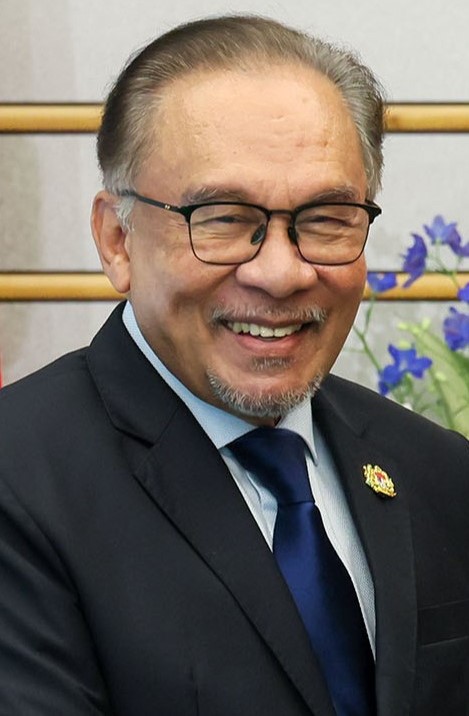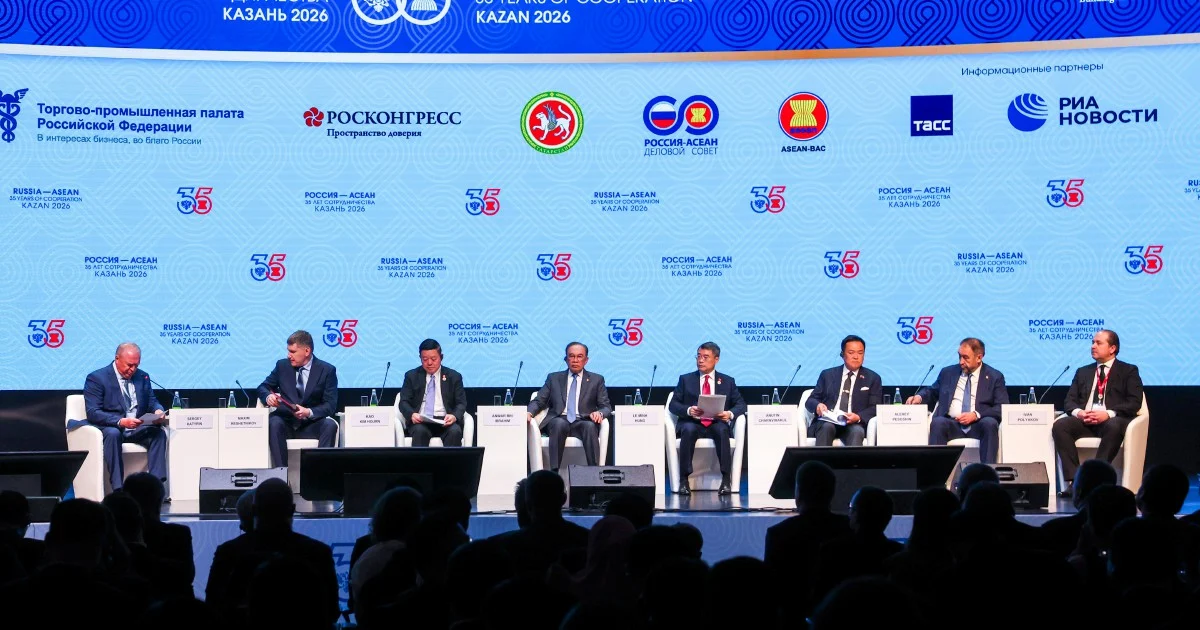
Prime Minister Datuk Seri Anwar Ibrahim has called for a substantial expansion of bilateral cooperation between the Asean bloc and Russia, signalling Malaysia's pragmatic approach to maintaining engagement across diverse geopolitical lines. Speaking in Kazan, the Prime Minister identified food security and energy as the cornerstone issues where Southeast Asian nations and Russia must coordinate more closely, alongside emerging priorities in advanced manufacturing, digital technologies, and education.
The comments from Malaysia's leadership reflect a deliberate strategy to position Asean as a non-aligned force capable of building relationships with multiple powers regardless of broader global tensions. Rather than choosing sides in great-power competition, the region has consistently sought to broaden its economic and security partnerships to ensure stability and mutual prosperity. Anwar's emphasis on food security carries particular weight given that many Southeast Asian nations rely on imported agricultural commodities and fertilisers, areas where Russia maintains significant global capacity and export capabilities.
Energy cooperation represents another natural area of expansion, especially as regional economies grapple with rising demand and the transition toward cleaner power sources. Russia's substantial hydrocarbon reserves and technical expertise in energy infrastructure remain relevant to Asean's development needs, even as countries like Malaysia and Singapore accelerate their renewable energy adoption. The notion of diversifying energy sources and partnerships aligns with Asean's broader commitment to energy independence and resilience, reducing reliance on any single supplier or corridor.
Advanced manufacturing and digital technologies emerged as additional focal points in Anwar's appeal, sectors where both Asean and Russia possess complementary strengths. Southeast Asian nations have built significant expertise in electronics manufacturing and semiconductor assembly, while Russia possesses capabilities in industrial automation, software development, and specialised technology applications. Collaboration in these domains could enhance regional competitiveness and create new avenues for sustainable economic growth independent of Western-centric supply chains.
Education cooperation, while often overlooked in strategic discourse, forms a critical component of long-term bilateral engagement. Expanding student exchange programmes, joint research initiatives, and knowledge-sharing arrangements between Asean and Russian institutions can cultivate deeper people-to-people connections and build intellectual capital across the region. Such initiatives historically generate softer, more durable forms of influence than transactional economic arrangements alone.
The timing of these remarks is significant given the shifting international environment. Russia's global standing has become increasingly isolated following recent military escalations, making engagement with rising Asian powers more strategically important to Moscow. Conversely, Asean nations recognise that maintaining a balanced approach to international relations requires sustained communication with all major powers, including Russia, irrespective of disagreements with Western nations or any particular regional actor.
Malaysia's particular position as an Asean chair and a nation with historical ties to Russia lends additional credibility to Anwar's appeal. As a Muslim-majority country with strong Southeast Asian credentials, Malaysia carries unique standing in advocating for inclusive regional frameworks that accommodate diverse perspectives without imposing ideological litmus tests. This positioning allows Malaysian leadership to champion pragmatic engagement without appearing to abandon broader values or regional consensus.
The emphasis on multilateral cooperation rather than bilateral arrangements underscores Asean's collective preference for institutional frameworks that distribute benefits broadly across the bloc. Rather than bilateral deals that might advantage individual members, the focus on multilateral mechanisms ensures that smaller economies and less-developed nations within Asean can access opportunities and benefits from expanded Asean-Russia relations. This approach reflects lessons learned from past experiences where great-power patronage created hierarchies and dependencies within the region.
Food security cooperation warrants particular examination given its humanitarian dimension and strategic importance. Southeast Asia contains significant agricultural capacity but faces growing constraints from climate change, water scarcity, and demographic pressures. Russian expertise in large-scale grain production, agricultural technology, and cold-chain logistics could meaningfully address regional food vulnerabilities. Conversely, Asean's growing consumer markets and agricultural processing capabilities present genuine opportunities for Russian agricultural exports and investment.
The broader message conveyed by Anwar extends beyond the immediate agenda items to reaffirm Asean's commitment to constructive engagement with all major powers. This principle has underpinned regional stability for decades and remains essential as geopolitical tensions intensify globally. By articulating clear areas where cooperation serves mutual interests, Asean demonstrates that engagement need not require alignment on all issues or implicit endorsement of contested policies. Instead, pragmatic cooperation on shared challenges offers a pathway forward that respects sovereignty and diverse perspectives while building prosperity.
Russia's response to such overtures will likely shape the trajectory of Asean-Russia relations. If Moscow demonstrates genuine commitment to expanding partnerships beyond energy and raw materials toward technology transfer and developmental cooperation, the region may increasingly view engagement with Russia as beneficial. Conversely, if Russian outreach remains transactional or instrumentalised for geopolitical purposes, Asean's traditional caution about great-power entanglement may resurface, potentially limiting the depth and scope of expanded cooperation that Anwar envisioned.