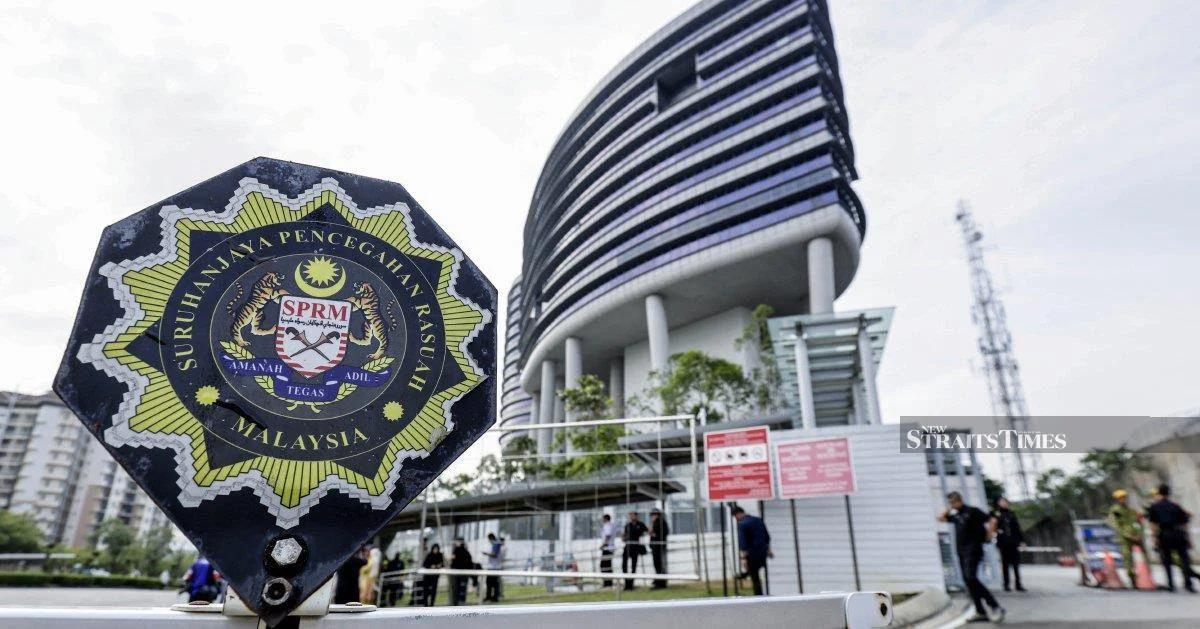
The Malaysian Anti-Corruption Commission (MACC) has announced plans to investigate systemic governance and procedural deficiencies within the Daya Kerjaya 2.0 employment incentive programme. The inquiry forms part of a broader investigation into allegations that programme beneficiaries have submitted fraudulent claims totalling approximately RM9 million, raising serious questions about the adequacy of oversight mechanisms within this federally-supported employment initiative.
Daya Kerjaya 2.0 represents a significant component of Malaysia's workforce development strategy, designed to support job creation and skills enhancement across various sectors of the economy. The scheme provides financial incentives to employers who hire and train workers, particularly targeting young people and those transitioning between employment. However, the emergence of substantial suspected fraud suggests that the programme's administrative architecture may contain critical vulnerabilities that facilitated improper claims.
The MACC's decision to examine governance weaknesses rather than focusing solely on individual cases indicates a recognition that systemic institutional failures may underpin the alleged misconduct. This investigative approach reflects international best practice in anti-corruption work, which emphasises identifying and remedying organisational vulnerabilities that create opportunities for dishonest behaviour. By addressing root causes, authorities hope to restore programme integrity and public confidence.
The RM9 million figure represents a material loss to government resources that could have been deployed more productively across the employment sector. For Malaysian policymakers, such large-scale fraud carries implications beyond immediate financial loss. It undermines the effectiveness of targeted interventions designed to address unemployment and skills gaps, particularly among demographic groups that government programmes seek to support. When public money intended for legitimate economic purposes is misappropriated, the intended beneficiaries—jobseekers and employers—suffer the consequences of reduced programme capacity and credibility.
Procedural weaknesses frequently identified in employment subsidy schemes include insufficient verification of hiring claims, inadequate documentation requirements, weak employer vetting processes, and limited post-disbursement monitoring. The MACC's investigation will likely examine whether Daya Kerjaya 2.0 contained such vulnerabilities. Understanding whether claims processing occurred without sufficient supporting evidence, whether employers were adequately screened before participation, or whether programme administrators conducted meaningful audits of completed transactions will prove essential to understanding how fraud accumulated to such magnitude.
From a regional perspective, Malaysia's experience mirrors concerns raised in other Southeast Asian countries where employment incentive schemes have faced implementation challenges. Countries across the region have grappled with balancing the dual objectives of programme accessibility and fraud prevention. The Daya Kerjaya 2.0 case provides valuable lessons about the risks inherent in rapidly scaling employment support initiatives without correspondingly robust internal controls and oversight mechanisms.
The inquiry also has implications for future policy design. Policymakers will need to consider whether current verification technologies and administrative capacity within relevant agencies suffice to manage programmes of this scale securely. Digital infrastructure for real-time employer verification, biometric worker identification, and integrated cross-agency data sharing may emerge as necessary components of revised implementation frameworks. These considerations will inform how Malaysia designs and deploys subsequent iterations of employment support schemes.
Governance improvements emerging from the MACC investigation could encompass enhanced employer accreditation processes, mandatory third-party verification of hiring claims, staggered payment schedules contingent upon documented performance milestones, and regular forensic audits of participating organisations. Establishing clear audit trails and implementing robust internal controls would strengthen the programme's resilience against future fraud while maintaining administrative efficiency. The commission's findings will likely recommend specific reforms tailored to identified weaknesses.
The investigation also reflects broader institutional accountability mechanisms within Malaysia's public sector. That the anti-corruption body is proactively examining programmatic vulnerabilities rather than waiting for fraud to accumulate further demonstrates the MACC's commitment to preventive oversight. This stance should reinforce stakeholder confidence that Malaysian authorities take the stewardship of public resources seriously and possess the institutional capacity to investigate complex fraud schemes affecting economic development programmes.
For employers participating in Daya Kerjaya 2.0, the investigation underscores the importance of maintaining meticulous documentation and legitimate hiring practices. Organisations that have complied fully with programme requirements have nothing to fear from enhanced scrutiny, while those engaged in fraudulent claims face serious legal consequences. The MACC investigation will likely establish precedents regarding penalties and prosecutorial approaches that will deter future misconduct.
Looking forward, the resolution of this investigation represents an opportunity to strengthen Malaysia's employment support infrastructure. By identifying governance gaps and implementing corrective measures, the government can preserve the legitimate objectives of workforce development initiatives while substantially reducing fraud risks. The lessons learned will inform not only revisions to Daya Kerjaya 2.0 but broader principles applicable across employment programmes throughout the public sector, ultimately serving the genuine job-seekers and employers whom these initiatives are intended to support.