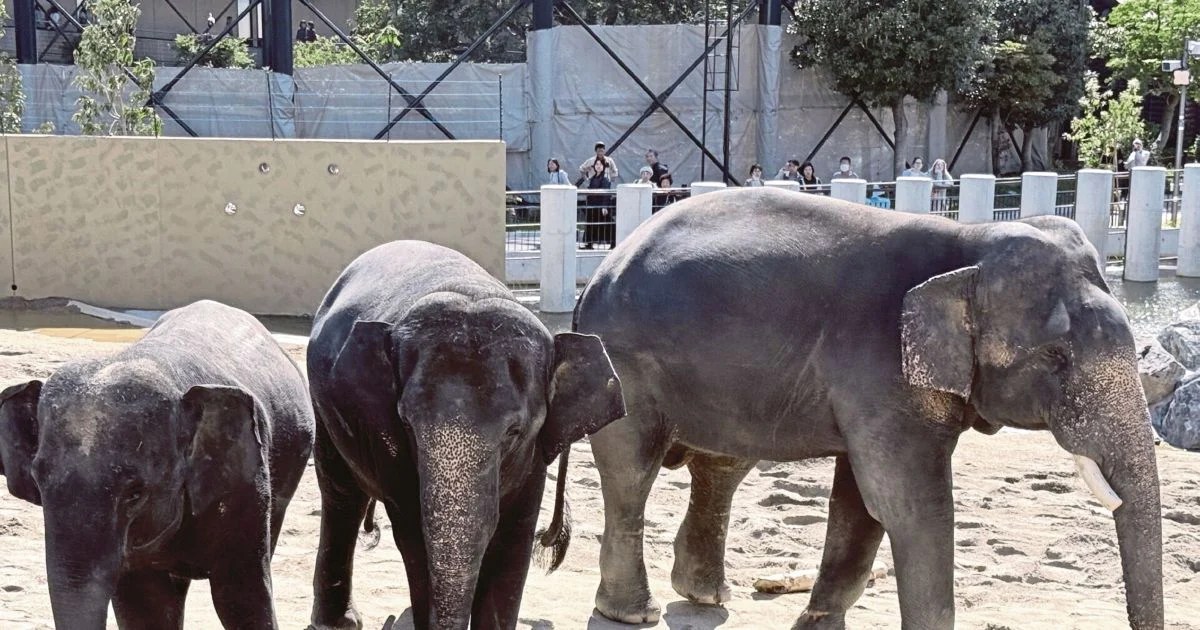
The Malaysian Anti-Corruption Commission has opened an investigation into the controversial relocation of three Asian elephants from Zoo Taiping to Tennoji Zoo in Osaka, Japan. The move by the anti-graft agency underscores mounting concerns about the circumstances surrounding the animal transfer and the procedures followed during negotiations with the Japanese institution.
The decision to scrutinise this transaction reflects broader questions about governance and accountability in decisions affecting wildlife assets held by Malaysian zoos. Zoo Taiping, situated in the northern state of Perak, has served as a custodian of these Asian elephants for many years, making their departure a significant development for the facility and its operations. The involvement of MACC at this early stage suggests that officials or stakeholders have raised specific concerns warranting formal investigation into the arrangement.
Asian elephants are increasingly recognised as treasured wildlife resources, both symbolically and in practical terms. Their management across international boundaries involves intricate protocols designed to protect animal welfare and ensure that such transfers serve legitimate conservation or research purposes. The presence of MACC inquiry indicates that at least some observers question whether established protocols were fully respected in this instance.
Tennoji Zoo in Osaka represents a significant destination for such transfers, as Japanese zoological institutions maintain sophisticated facilities meeting international standards. However, the transfer of large mammals between countries requires careful documentation, veterinary oversight, and compliance with regulations governing both the originating nation and the destination country. The investigation will likely focus on whether such compliance was adequately demonstrated and whether the decision-making process followed proper administrative channels.
For Malaysian zoos and wildlife management agencies, the MACC probe carries important implications regarding transparency and institutional accountability. Zoo Taiping operates under the purview of Perak's authorities, meaning decisions about its animals can reflect either effective regional governance or potential lapses in oversight. Public confidence in how such facilities manage their collections depends substantially on processes being conducted with appropriate oversight and documentation.
The transfer of three animals simultaneously raises questions about the scale of the arrangement and whether such a substantial movement warranted additional layers of review or public disclosure. Zoo enthusiasts and animal welfare advocates in Malaysia have increasingly demanded greater transparency regarding decisions affecting animal populations in domestic facilities. This investigation responds to those emerging expectations.
International cooperation in zoo management and wildlife education has become more common, allowing institutions to support conservation efforts and educational missions. Legitimate transfers serve these purposes through structured breeding programmes, research collaborations, and welfare-focused relocations. The investigation will ultimately determine whether this particular transaction aligned with such recognised international practices or whether shortcuts were taken that compromised these objectives.
The investigation also touches on broader resource management questions within state-level institutions. Zoo facilities require substantial budgets for maintenance, feeding, and veterinary care. Any transfer involving significant animals could have financial dimensions—whether through funding from receiving institutions, reduced ongoing costs, or other arrangements—that deserve transparent examination.
For regional observers, this development illustrates how Malaysia's anti-corruption framework extends to institutional decision-making beyond conventional political or administrative contexts. The MACC's willingness to investigate zoos and wildlife management suggests an expansive interpretation of corruption risks, encompassing potential misuse of public resources or breaches of fiduciary duty in managing state assets.
The timing and scope of the investigation remain to be clarified. Authorities must determine whether the elephants have already been transported or remain in Malaysia, as this affects investigation procedures and potentially the reversibility of any actions deemed inappropriate. Stakeholders in both Malaysia and Japan await clarity on MACC's findings and the implications for future international animal transfers involving Malaysian institutions.
Zoo Taiping management will likely face questions about their role in approving and facilitating the transfer. Directors and officials involved must demonstrate that their actions reflected careful consideration of animal welfare, institutional interests, and adherence to applicable regulations. The commission's investigation will establish whether such standards were met or whether gaps in governance require remedial action.
This situation underscores the complexity of managing public institutions responsibly. Zoo operations blend scientific, financial, administrative, and ethical considerations, making them vulnerable to both genuine misunderstandings and deliberate misconduct. The MACC investigation serves as a mechanism for distinguishing between these possibilities and clarifying expectations for future decisions affecting Malaysia's wildlife facilities.

