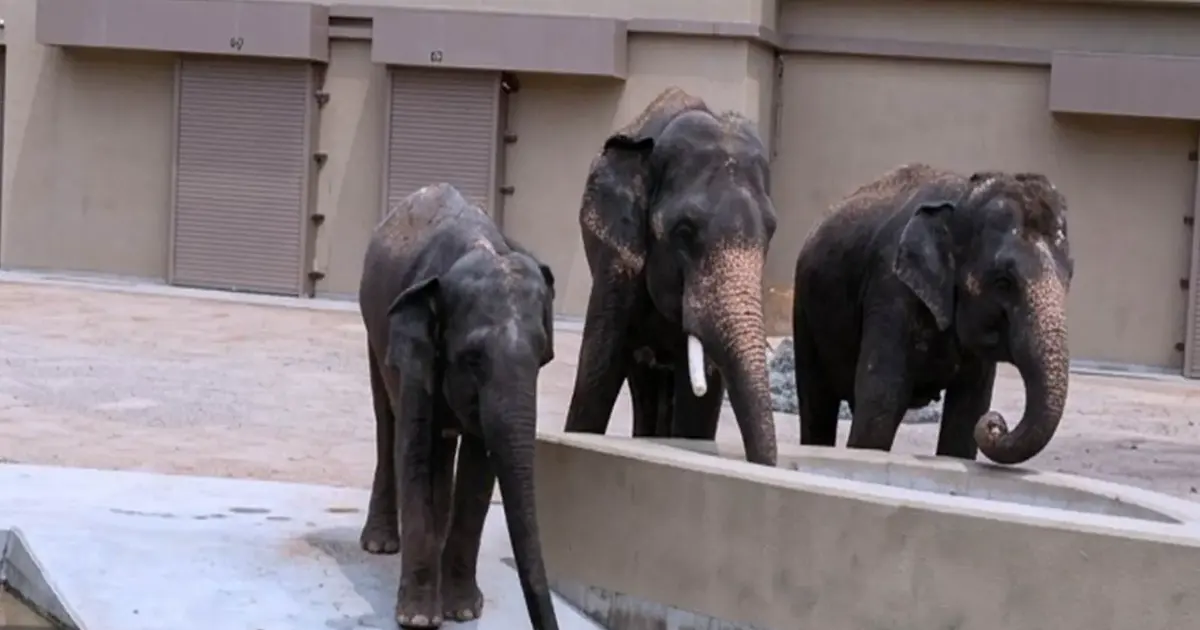
An animal welfare advocacy group has escalated its concerns about the relocation of Malaysian elephants to Japan, formally requesting that the Federal Police's Commercial Crime Investigation Department establish a dedicated task force to examine the transaction. Peka, a respected non-governmental organisation focused on wildlife protection, alleges that significant discrepancies exist within the documentation underpinning the transfer, prompting questions about whether the shipment adhered to Malaysia's regulatory framework and the nation's commitments under international conservation agreements.
The organisation's intervention marks a significant moment in the ongoing debate surrounding elephant exports from Malaysia. Rather than remaining confined to civil society discussions, the matter has now crossed into formal channels where authorities are being asked to apply forensic scrutiny to the administrative records supporting the transaction. The specific nature of the documentation irregularities, according to Peka, suggests potential violations that extend beyond simple bureaucratic oversight into areas of material concern.
Malaysia's relationship with elephant welfare has attracted heightened international attention in recent years. The country is home to an estimated 3,000 to 4,000 wild Borneo elephants and a separate population of Asian elephants found primarily on the peninsula. Both populations face habitat pressures and human-wildlife conflict challenges. Any international transfer of these animals carries profound implications not only for individual welfare but for the broader conservation narrative surrounding Malaysia's commitment to wildlife protection.
The invocation of international obligations appears particularly significant in Peka's complaint. Malaysia is a signatory to the Convention on International Trade in Endangered Species of Wild Fauna and Flora (CITES), which regulates cross-border movement of protected animals. The convention establishes specific procedures that member states must follow when facilitating such transfers. The allegation that the elephant shipment may not have complied with these provisions could, if substantiated, represent a breach of Malaysia's formal commitments to the international conservation community.
Japan, as the receiving nation, also operates under CITES regulations and maintains its own domestic animal welfare standards. The bilateral movement of protected species typically requires documentation from both countries confirming that proper procedures have been observed. Should irregularities exist in the Malaysian documentation, they would likely have parallels in the Japanese records, making this investigation potentially bilateral in scope. The integrity of the entire transaction rests on complete and accurate paperwork from inception to delivery.
From a domestic perspective, the request for police investigation suggests concerns that may implicate Malaysia's own wildlife protection legislation. The country maintains comprehensive laws governing the capture, transport, and export of protected fauna. The Department of Wildlife and National Parks (Perhilitan) typically oversees such matters, working in conjunction with customs authorities. If documentation irregularities are confirmed, determining at what stage of the regulatory process they emerged becomes crucial for establishing accountability.
The timing of Peka's formal complaint carries weight in the current regional climate. Several Southeast Asian nations have faced international criticism over wildlife trafficking and irregular animal exports in recent years. Malaysia has worked to position itself as a responsible steward of biodiversity, particularly given its status as a megadiverse nation with ecosystems of global significance. Any perception that elephant transfers have occurred outside proper channels could damage the nation's international reputation in conservation circles and among conscious consumers and governments worldwide.
Beyond the legal mechanics of the investigation, Peka's intervention reflects broader unease within Malaysia's conservation community about elephant welfare standards in modern facilities. The organisation's decision to escalate the matter to law enforcement suggests confidence that specific, verifiable evidence of documentation problems exists rather than mere suspicion. This distinction matters, as unfounded allegations could themselves prove counterproductive; substantiated concerns, conversely, warrant thorough official examination.
The Bukit Aman Commercial Crime Investigation Department brings expertise in examining complex financial and administrative transactions, including those with international dimensions. Their involvement would allow investigation of whether proper permissions were secured, correct fees paid, and all regulatory checkpoints satisfied. This approach treats the elephant transfer as a transaction requiring the same documentary scrutiny applied to any significant commercial movement of valuable assets across borders.
For Malaysia's wildlife sector, the investigation's outcome carries implications extending well beyond this single shipment. A thorough examination that results in corrective action could reinforce public confidence that the nation's wildlife protection systems function effectively. Conversely, any finding that irregularities occurred without consequence could embolden similar practices and undermine regulatory credibility. The precedent established through this case will likely influence how future animal exports are managed and overseen.
The convergence of animal welfare advocacy, regulatory compliance, and international law in this case exemplifies how modern wildlife protection requires multifaceted oversight. The involvement of Peka ensures that civil society maintains a voice alongside government agencies, creating checks and balances that strengthen rather than weaken the system. As the investigation proceeds, stakeholders across Malaysia and the region will be watching closely to understand whether documented irregularities emerge and, if so, how authorities respond to ensure accountability and prevent recurrence.

