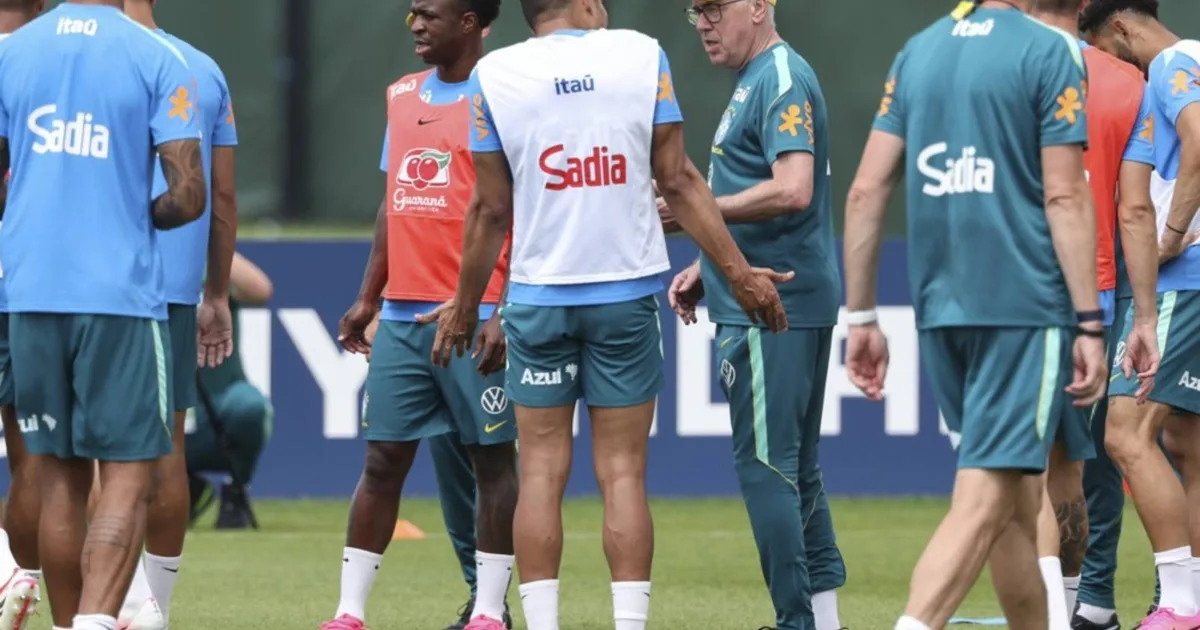
Carlo Ancelotti remains unruffled despite Brazil's failure to capitalize on their Copa America opener, framing the upcoming encounter with Haiti as a crucial window to implement corrections identified from the defensive shortcomings exposed in the 1-1 stalemate against Morocco. Rather than expressing frustration at the dropped points, the veteran tactician has adopted a methodical approach typical of his managerial philosophy, treating the setback as instructive rather than catastrophic.
The draw against Morocco served as a sobering reminder that even tournament favorites face resistance from well-organized opposition. For Brazil, the match revealed gaps in both defensive organisation and offensive fluidity that could prove more consequential if left unaddressed. Morocco demonstrated that pressing high and disrupting the Selecao's rhythm created genuine problems, something that Haiti will undoubtedly attempt to replicate. However, Ancelotti's calm demeanor suggests he views these issues as correctable rather than systemic, a perspective rooted in his extensive experience managing elite clubs and international sides across multiple competitions.
The tactical blueprint for facing Haiti provides Ancelotti with an ideal testing ground. Haiti, historically one of the tournament's weaker participants, offers Brazil sufficient space and time to experiment with adjustments without the existential pressure of another draw. This represents a strategic advantage rarely afforded in knockout-stage football, where experimentation carries heavier consequences. The coach can attempt different defensive shapings, modify pressing triggers, and explore various combinations without gambling with elimination.
Brazil's attacking prowess remains undimmed despite the Morocco frustration. The team's offensive arsenal includes some of world football's most dangerous players, yet Morocco's compact defending demonstrated that quantity of talent alone guarantees nothing against tactical discipline. Ancelotti must determine whether the problem lies in execution, timing, or the fundamental approach to breaking down defensive blocks. Haiti's likely defensive strategy—packing numbers deep and limiting space—will require Brazil to either play with greater patience or find alternative routes to goal.
Defensively, Brazil's vulnerability against set pieces and quick transitions provided Morocco with scoring opportunities that should have been capitalized upon. These aren't issues that disappear overnight, but Ancelotti's track record suggests he excels at instilling defensive solidity without sacrificing attacking threat. His experience at elite European clubs where defensive organization represents table stakes has equipped him with methodologies to tighten backline communication and positioning.
The broader tournament context matters significantly. Copa America remains a competition where Brazil faces genuine threats from Argentina, Uruguay, and Colombia, all of whom will capitalize more ruthlessly than Morocco on defensive lapses. A convincing victory over Haiti would restore the psychological momentum that draws inevitably diminish, resetting expectations and confidence before the knockout stages. For a squad containing players of individual brilliance, collective belief often separates champions from pretenders.
Ancelotti's composure also reflects confidence in his squad's fundamental quality. Brazil's player roster, despite ongoing debates about balance and formation, contains sufficient talent to recover from setbacks. The coach has steered championship-caliber teams through similar situations throughout his career, emerging stronger from adversity. His refusal to panic signals to the squad that the Morocco result represents a learning opportunity rather than a catastrophe, a psychological posture that influences team confidence and performance.
Haiti presents a vastly different challenge from Morocco in terms of technical ability and tactical sophistication, yet Ancelotti has pointedly avoided dismissing the opposition despite their weaker relative standing. This measured approach demonstrates respect for the Copa America format, where complacency has historically punished supposedly superior teams. Brazil learned this lesson painfully in the 2016 Copa America Centenario and subsequent tournaments, making Ancelotti's emphasis on focus and precision appropriate.
The match against Haiti ultimately becomes a dress rehearsal for the tournament's decisive moments. Can Brazil execute the adjustments Ancelotti identifies? Will attacking players demonstrate the clinical finishing that Morocco's defense required? Can defensive reorganizations be implemented seamlessly? These questions find easier answers against Haiti than against elite opposition, yet the answers themselves determine whether Brazil's tournament trajectory tilts toward vindication or disappointment.
Ancelotti's calm reflects not indifference but rather the strategic patience required at this level of football. The best managers understand that tournament football demands flexibility, learning, and incremental improvement. Morocco provided expensive lessons; Haiti offers the chance to apply them. For Brazil's Copa America ambitions, that opportunity could prove invaluable.

