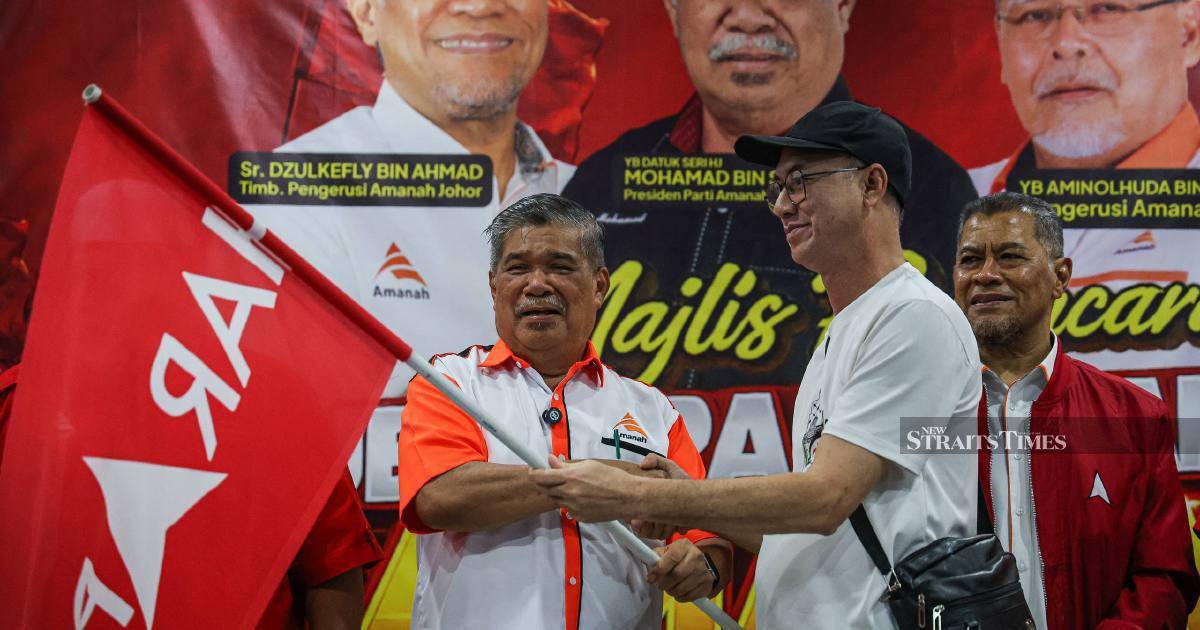
Parti Amanah Negara is preparing to inject fresh blood into its political machinery ahead of the Johor state election scheduled for July 11, according to announcements from the party's leadership. The move to field 13 new faces among its total slate of 19 candidates reflects a strategic pivot aimed at energising the party's grassroots appeal and broadening its voter reach in one of Malaysia's largest and most politically significant states. This approach mirrors broader patterns across Malaysian opposition parties as they seek to balance experience with new talent ahead of crucial electoral contests.
The introduction of nearly 70 percent new candidates signals Amanah's commitment to presenting a dynamic face to Johor voters, many of whom have expressed frustration with traditional political establishments. First-time candidates often bring community-level connections and fresh perspectives that established figures may lack, particularly among younger demographics who have grown increasingly engaged in electoral participation. For a mid-sized coalition partner like Amanah, such generational renewal becomes particularly important in establishing relevance across diverse constituencies.
Johor's electoral landscape has witnessed considerable shifts in recent years, with voter preferences becoming more volatile and swing factors increasingly decisive in determining seat distribution. The state comprises 56 state assembly constituencies, and Amanah's field of 19 candidates represents a selective presence focused on areas where the party believes it maintains competitive advantages or holds potential for growth. This targeted approach contrasts with comprehensive state-wide campaigns, instead reflecting Amanah's positioning as a coalition partner rather than an independent heavyweight.
The party's decision to emphasise new candidates carries implications for broader coalition dynamics within the opposition framework contesting the Johor election. Amanah's role within larger alliance structures often requires careful calibration between fielding sufficient candidates to demonstrate serious engagement while avoiding direct competition with stronger coalition partners. The emphasis on fresh talent allows the party to signal renewal without necessarily expanding its overall footprint dramatically, enabling coalition partners to maintain their own positioning.
Matters of candidate selection have grown increasingly contentious across Malaysian political formations, with grassroots party members often expressing preferences for recognition of party veterans and incumbent legislators. Amanah's decision to promote such a high proportion of new faces suggests either substantial confidence in these newcomers or a deliberate strategic choice to sideline incumbent legislators facing electoral vulnerability. This recalibration could reshape internal party hierarchies and influence campaign messaging substantially.
Johor's political complexion has long featured intense three-cornered or four-cornered contests, with multiple factions competing aggressively for marginal constituencies. The introduction of new candidates introduces elements of unpredictability into what might otherwise be predictable electoral contests, potentially advantaging opposition parties that successfully mobilise new supporters around fresh personalities. Conversely, the relative unfamiliarity of new candidates among voters could disadvantage Amanah in constituencies where incumbency and name recognition carry substantial electoral weight.
Regional political observers note that Johor has traditionally served as a barometer for national political sentiment, with election results often foreshadowing broader trends in peninsular politics. Amanah's strategic emphasis on new candidates within this critical state therefore carries significance beyond Johor's borders, potentially indicating how the party plans to position itself ahead of future national electoral contests. The success or failure of new candidates in this election will likely influence party recruitment and selection strategies elsewhere.
The timing of Amanah's candidate announcements reflects the compressed campaign periods characterising Malaysian state elections, where campaign activity accelerates dramatically in the final weeks preceding polling day. Early announcement of candidates allows parties to conduct grassroots mobilisation and familiarisation campaigns, although it also exposes candidate identities to opposition research and criticism. For new faces relatively unknown to broader publics, this extended campaign period provides opportunity for positive name recognition development.
Amanah's historical performance in Johor elections has generally reflected its status as a smaller coalition partner, capturing individual seats rather than commanding substantial state-level influence. The party's emphasis on youth renewal through new candidates suggests leadership calculations that existing representation does not adequately position the party for electoral breakthroughs. This approach may attempt to capitalise on specific local issues or community grievances where new candidates can position themselves as change agents untainted by previous political associations.
The party's candidate strategy also reflects Malaysia's evolving electoral regulations and campaign financing mechanisms, where new candidates often operate with different resource constraints and expectations than established politicians. Successfully mobilising such candidates requires robust party machinery and volunteer networks, testing organisational capacities across coalition partners. Amanah's willingness to field predominantly new candidates therefore represents confidence in its organisational depth and campaign infrastructure.
Voter responses to Amanah's new candidates will provide important indicators regarding openness to political renewal in Johor, a state where traditional power structures have historically demonstrated resilience. The performance of these 13 new faces against established incumbents from other parties will furnish clear data regarding whether fresh faces constitute genuine electoral advantages or represent vulnerability to experienced political operatives. Such empirical results will likely influence opposition coalition strategies nationwide.

