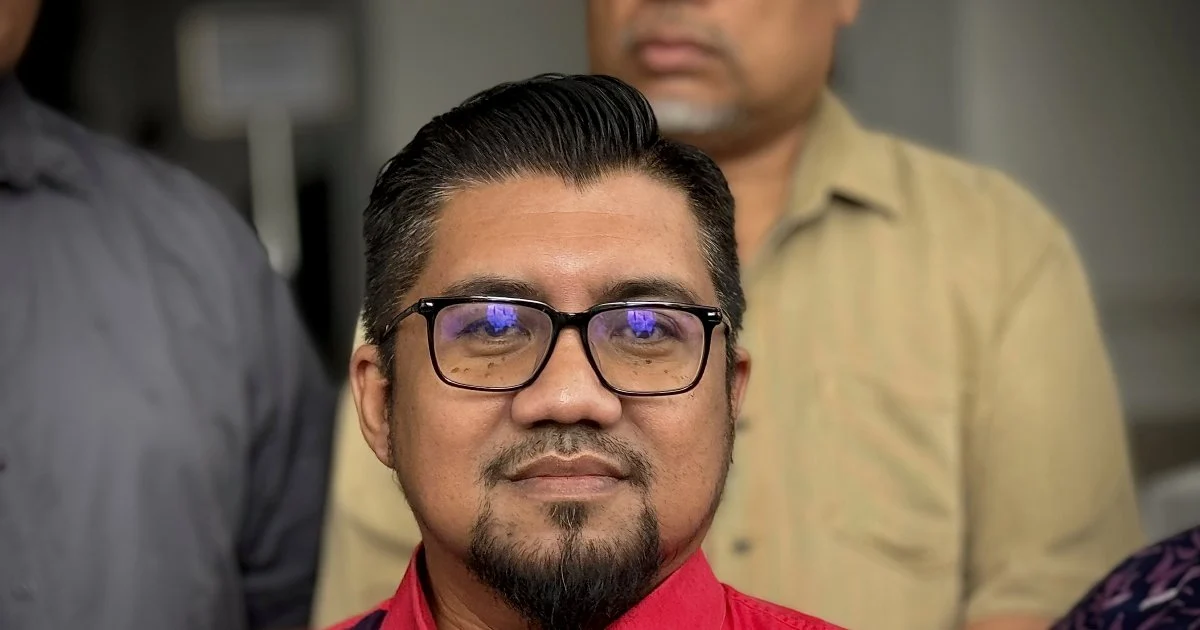
A significant turn in a high-profile defamation case came this week when the High Court in Kuala Lumpur set aside a previous acquittal and directed political activist Badrul Hisham Shaharin—known publicly as Che'gu Bard—to present his defence against charges of defaming His Majesty Sultan Ibrahim, the King of Malaysia. The case centres on remarks made by Shaharin approximately two years ago regarding what he characterised as an audience between the monarch and certain political figures, a matter that has since become a focal point for legal examination of free speech boundaries in Malaysia.
The reversal represents a meaningful development in how Malaysian courts have been handling cases that touch upon the monarchy and public statements about royal activities. Initially, a lower court had dismissed the charges against Shaharin, concluding that the prosecution had failed to establish a sufficient case. However, the higher court's decision to overturn this finding and compel Shaharin to enter his defence stage signals a stricter interpretation of defamation laws as they apply to statements involving the King. This procedural move means the burden of proof will now shift, requiring Shaharin to demonstrate the truthfulness or justifiability of his claims rather than prosecutors proving falsehood beyond reasonable doubt.
For Malaysian observers of political discourse and civil liberties, the implications are considerable. Activists and public commentators frequently navigate complex terrain when discussing matters involving the royal institution, balancing constitutional rights to free expression with laws protecting the monarchy from defamatory statements. This case exemplifies the tension between these principles and raises questions about how much latitude exists for political figures and activists to discuss or question official accounts of royal engagements. The threshold for what constitutes actionable defamation becomes critical when statements concern the highest office in the land.
Badrul Hisham Shaharin has long been an outspoken figure in Malaysian civil society, known for his commentary on governance, institutional accountability, and political developments. His previous involvement in various activist and educational initiatives has positioned him as a public intellectual whose statements often attract official scrutiny. The particular remarks that triggered this legal action involved claims about a private or semi-private meeting allegedly involving the King and opposition political leaders. Such discussions about royal activities and their purported significance touch upon sensitive institutional terrain in Malaysia, where the monarchy occupies a constitutionally protected position distinct from other governmental branches.
The High Court's decision to reverse the acquittal necessitated demonstrating that the lower court had erred in its legal reasoning or application of evidence. This suggests prosecutors presented arguments that persuaded the appellate bench that sufficient grounds existed to proceed with a trial on the substance of the defamation allegations. The court's willingness to overturn the initial dismissal indicates that questions about the accuracy and potential malicious intent behind Shaharin's statements remained genuinely contested matters of law that warranted full examination before a court.
From a broader Southeast Asian perspective, this development reflects patterns observable across the region regarding how different jurisdictions handle speech concerning royal institutions. Malaysia maintains relatively strict constitutional protections for the monarchy, codified partly through Article 10 of the Federal Constitution and relevant legislation. Compared with some neighbouring countries, Malaysian courts have demonstrated a consistent approach to protecting royal dignity through defamation law, though debates persist about whether such protections have expanded beyond constitutional intent in certain cases.
The defence phase that now awaits Shaharin will require him to establish either that his statements were factually accurate or that they constituted fair comment on matters of public interest. This is a substantially higher threshold than what the initial acquittal had implied. Malaysian defamation law permits a defence of truth if a defendant can prove the essential elements of their allegations, and truth serves as an absolute defence. Additionally, fair comment on matters of public concern, made without malice, provides another potential avenue. However, establishing these defences in cases involving the King presents heightened challenges, given the institutional sensitivity surrounding such matters.
The prosecution's success in securing a reversal reflects institutional concerns about statements questioning or casting doubt on official accounts of royal activities. This raises important questions for political activists, journalists, and commentators about the practical scope of political discussion in Malaysia. If even claims about royal audiences can trigger defamation proceedings that survive initial dismissal, the chilling effect on public discourse about governmental and institutional matters becomes more pronounced. The distinction between legitimate political commentary and defamatory falsehood becomes increasingly difficult to navigate.
Shaharin's case occurs within Malaysia's broader context of political contestation and institutional evolution. The country has witnessed significant transitions in power at various governmental levels, involving complex negotiations between different political factions and institutions. Statements about royal consultations with political leaders touch upon questions about the King's constitutional role in governmental formation and political stability. In constitutional monarchies, such matters often generate public discussion and speculation, yet Malaysia's legal framework appears to constrain such discussions more severely than systems elsewhere.
The upcoming defence phase will likely attract attention from civil liberties advocates, legal scholars, and political observers who view the case as indicative of broader trends in Malaysian jurisprudence. Media freedom organisations and human rights groups have historically expressed concerns about the breadth of defamation prosecutions and their impact on investigative journalism and political commentary. This particular case, involving a well-known activist and statements about the highest office, will provide additional data points for assessing judicial approaches to these enduring tensions.
As Shaharin prepares to mount his defence, the case will proceed toward trial where the substantive merits of his statements will face scrutiny. The outcome will likely influence future discussions among activists and commentators about the risks attending public statements concerning royal activities and the practical boundaries of permissible political speech in contemporary Malaysia. Whether Shaharin can successfully establish truth or fair comment defences will be instructive for the broader media and activist landscape.

