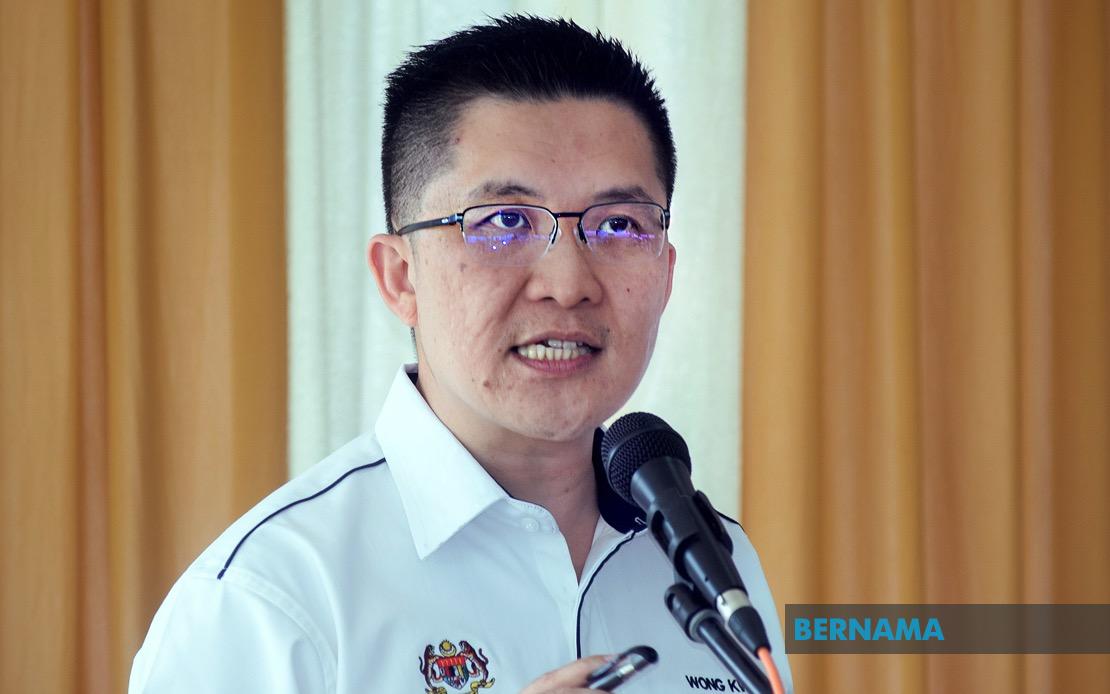
Malaysia's network of Tamil national-type schools (SJKT) continues to serve a vital role in preserving minority language education, with 528 institutions operating across the country and a total enrolment of 78,501 pupils as of late May. Deputy Education Minister Wong Kah Woh disclosed these figures during a Dewan Rakyat session, underscoring the substantial reach and ongoing relevance of Tamil-medium education within the Malaysian schooling system. The scale of this educational provision demonstrates the government's sustained commitment to supporting vernacular education despite broader trends toward Malay and English-medium instruction.
The trajectory of Tamil language examination participation reveals a gradual shift in student numbers at secondary levels. In the 2023 Sijil Pelajaran Malaysia (SPM) examination, 8,023 candidates registered for the Tamil language subject, a figure that has declined incrementally to 7,925 in 2024, then 7,693 in 2025, and 7,494 in the current year. This downward trend, while modest, suggests demographic pressures and shifting educational preferences among Tamil-speaking families. Nevertheless, Wong reaffirmed that the Ministry of Education remains committed to maintaining Tamil as a subject option, confirming it will persist among the language subjects administered by the Examinations Syndicate. This pledge addresses concerns that minority language subjects might be quietly deprioritised as examination boards streamline offerings.
A particularly significant commitment made by Wong concerns access equity: pupils enrolled in schools that do not offer Tamil language instruction remain fully eligible to sit for the subject during SPM examinations, provided they meet standard registration requirements. This provision ensures that Tamil-speaking students in non-SJKT institutions—whether in national schools or private establishments—are not disadvantaged in their educational pathways. Such flexibility within examination frameworks is crucial for accommodating Malaysia's increasingly diverse school choices and ensuring that linguistic identity does not constrain academic progression.
Johor exemplifies the regional variation in Tamil school distribution and enrolment patterns. The state operates 71 SJKTs serving 12,906 pupils combined, with Johor Bahru district alone accounting for 15 schools and 7,840 students. Four institutions within the district have achieved notably high enrolment figures: SJKT Taman Tun Aminah leads with 1,529 pupils, followed by SJKT Ladang Rini at 1,055, SJKT Jalan Yahya Awal with 890, and SJKT Masai accommodating 768 students. These concentrations indicate strong demand for Tamil education in urban and suburban Johor Bahru, reflecting both demographic distribution and parental preference for vernacular schooling in Malaysia's second-largest economic region.
The Ministry has embarked on targeted infrastructure development to accommodate growing demand in capacity-constrained schools. Two major construction projects in Johor Bahru—new building facilities for SJKT Ladang Rini and SJKT Kulai Besar—have each received RM4.3 million in funding allocations. These projects are designed to add classroom space accommodating an additional 200 to 300 pupils per institution, addressing acute crowding in high-demand areas. Such investment signals recognition that Tamil education infrastructure, historically underfunded relative to national schools, requires sustained capital commitment to maintain educational quality and retain families within the SJKT system.
Conversely, underenrolment presents a counterbalancing challenge within the SJKT network. Two institutions in Johor Bahru—SJKT Ladang Sungai Plentong and SJKT Ladang Mados—each report fewer than 30 pupils, reflecting demographic shifts and urbanisation patterns that have left some rural or previously thriving areas with insufficient student populations. To address this systemic issue, the Ministry has instituted a dedicated roadmap encompassing multi-grade classroom arrangements, school relocation to areas of demographic demand, and selective school retention decisions grounded in local needs assessments.
The scale of multi-grade implementation nationwide underscores the prevalence of underenrolment: as of May 31, 2026, 135 underenrolled SJKTs had adopted multi-grade teaching arrangements, while 36 schools had secured approval for relocation to more strategically advantageous locations. These interventions reflect pragmatic efforts to sustain educational provision in regions where traditional enrolment models have become unsustainable, though multi-grade teaching introduces pedagogical complexities that merit ongoing monitoring and support.
Teacher supply and qualification represent another critical dimension of Tamil education sustainability. The requirement for Tamil language option teachers in SJKTs stands at 1,334, yet current staffing has surpassed this benchmark at 1,733 educators—representing a 30 percent surplus. At secondary level, where 584 teachers are mandated, the actual workforce totals 648, reflecting a similar oversupply position. These figures suggest that acute teacher shortages, once a perennial constraint on Tamil education expansion, have been substantially addressed through systematic recruitment and training initiatives. However, the distinction between meeting numerical requirements and ensuring teacher quality remains significant; surplus numbers provide flexibility but do not automatically guarantee pedagogical excellence or subject mastery.
The Ministry's broader strategic approach encompasses the 2027 School Curriculum implementation, which will incorporate Tamil language education components, alongside enhancement of teaching and learning quality and reinforcement of Tamil literary traditions. These curricular initiatives aim to sustain cultural continuity while aligning Tamil education with contemporary educational standards and assessment frameworks. The emphasis on strengthening Tamil literature specifically addresses concerns that language instruction risk becoming mechanically focused on grammar and examination technique at the expense of cultural transmission and literary appreciation.
Examination grading transparency emerged as a secondary but important theme in Wong's parliamentary remarks. He clarified that SPM results are determined through systematic evaluation of actual student performance against curriculum standards and competency benchmarks, rather than through quota-based allocation mechanisms. Subject expert panels, curriculum specialists, and educational measurement experts collaboratively establish grade boundaries after analysing candidate cohort performance characteristics and examination instrument properties. This methodology aligns with international best practices adopted by major examination systems globally. Grade boundaries may fluctuate annually to reflect varying cohort performance and instrument characteristics, a variability Wong stressed is standard internationally, not indicative of arbitrary or inconsistent grading.
The broader context of Tamil education within Malaysia's plural schooling ecosystem reflects ongoing tensions between educational modernisation and cultural preservation. While Tamil-medium schools represent less than 2 percent of Malaysia's total school population, they serve as crucial institutional sites for maintaining Tamil language transmission and cultural identity among younger generations increasingly exposed to dominant Malay and English linguistic environments. The gradual decline in SPM Tamil examination registrations, while still substantial in absolute terms, may reflect demographic shifts as Tamil-speaking populations urbanise and diversify their educational choices.
Looking forward, the sustainability of the SJKT system depends on several intersecting factors: demographic trends affecting Tamil-speaking communities, parental preferences navigating an expanding spectrum of schooling options, government resource allocation priorities, and the extent to which Tamil education evolves to address contemporary educational expectations while preserving cultural distinctiveness. Infrastructure investment and teacher supply enhancement address supply-side constraints, yet demand-side challenges—ensuring families perceive SJKT education as valuable and relevant—remain equally critical for long-term system viability.

